

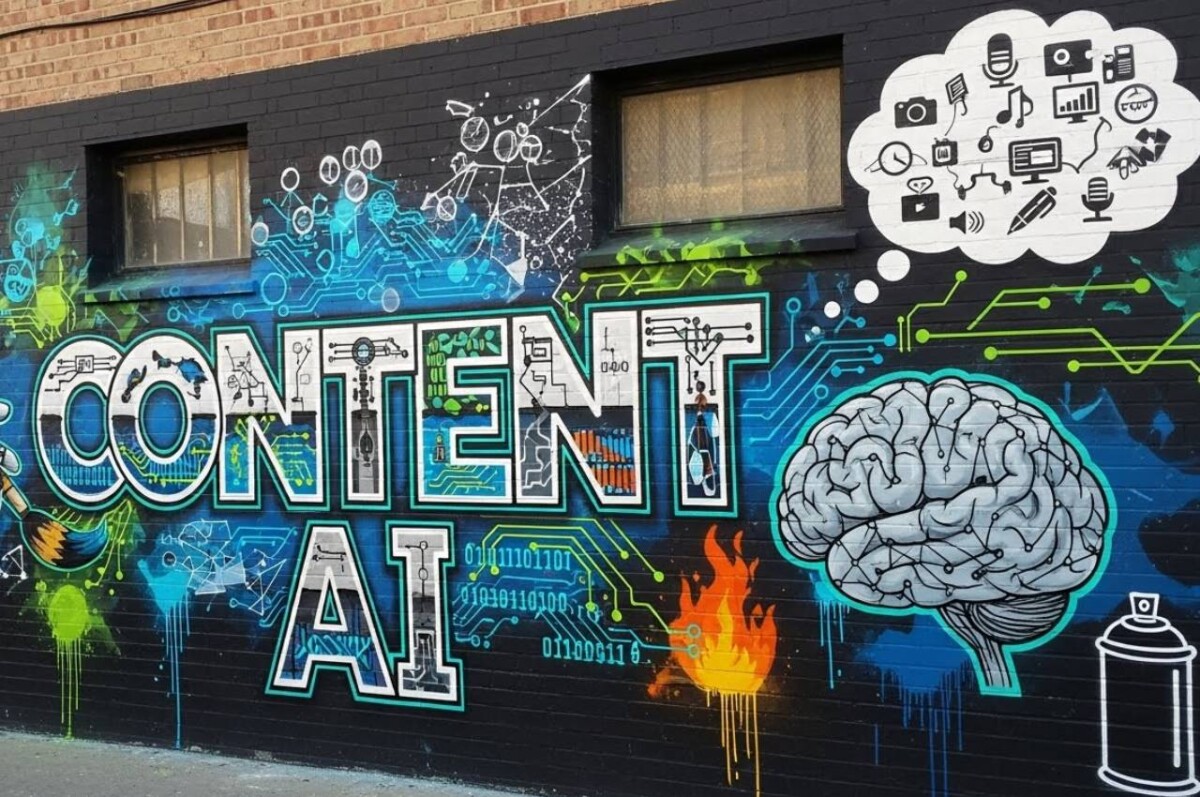
Artificial Intelligence is revolutionizing content production, enabling creators to generate high-quality material faster and more efficiently than ever before. From automated writing tools to advanced data analysis, AI is not just a helper—it’s a game-changer. This article explores how AI enhances every stage of content creation, backed by real-world examples, statistics, and actionable insights for professionals in the field.
The Rise of AI-Powered Writing Assistants
AI writing assistants like Jasper, Copy.ai, and Writesonic are transforming how content is drafted. These tools leverage natural language processing to generate coherent, contextually relevant text in seconds. Studies show that AI-assisted writers can produce content up to 50% faster, significantly reducing time-to-market for digital assets.
Grammar and Style Enhancement AI tools such as Grammarly and ProWritingAid go beyond basic spell-checking. They analyze sentence structure, tone, and readability, offering real-time suggestions to improve clarity and engagement. This ensures content is not only error-free but also tailored to the target audience.
Multilingual Content Creation AI-powered translation and localization tools enable creators to reach global audiences effortlessly. Platforms like DeepL and Google Translate use advanced neural networks to deliver accurate, culturally nuanced translations, breaking down language barriers and expanding market reach.
Automated Content Research and Data Analysis
AI excels at processing vast amounts of data to extract actionable insights. Tools like Frase and MarketMuse analyze top-performing content, identifying trends, keywords, and gaps. This allows creators to craft data-driven content strategies that resonate with their audience and rank higher on search engines.
Competitive Content Analysis AI can benchmark your content against competitors, highlighting strengths and weaknesses. For example, Clearscope provides a content grade based on relevance, comprehensiveness, and keyword usage, helping you outperform rivals in search results.
Real-Time Trend Monitoring Platforms like BuzzSumo and Google Trends use AI to track viral topics and emerging trends. By leveraging these insights, content creators can produce timely, relevant material that captures audience interest and boosts engagement.
AI in Visual Content Creation
Visual content is crucial for engagement, and AI is making it easier to produce. Tools like Canva’s Magic Design and DALL·E generate custom images, infographics, and even videos based on text prompts. This democratizes design, allowing non-designers to create professional-grade visuals.
Automated Video Editing AI-powered video editors like Runway ML and Descript automate tedious tasks such as cutting, captioning, and even voiceovers. These tools can analyze footage, suggest edits, and apply effects, drastically reducing production time.
Personalized Visual Content AI can tailor visuals to individual user preferences. For instance, Netflix uses AI to generate personalized thumbnails for each user, increasing click-through rates by up to 30%. This level of customization enhances user experience and drives engagement.
Enhancing SEO with AI Tools
AI is reshaping search engine optimization by automating keyword research, content optimization, and performance tracking. Tools like SurferSEO and SEMrush use AI to analyze top-ranking pages and recommend optimizations, ensuring your content meets search engine criteria.
Voice Search Optimization With the rise of voice assistants, AI helps optimize content for voice search. Platforms like AnswerThePublic identify common voice queries, allowing creators to tailor content to conversational search patterns.
Predictive SEO Analytics AI can forecast SEO performance by analyzing historical data and industry trends. For example, BrightEdge uses predictive analytics to recommend content adjustments, helping creators stay ahead of algorithm changes and maintain high rankings.
AI for Content Personalization and Recommendation
Personalization is key to user engagement, and AI excels at delivering tailored experiences. Platforms like HubSpot and Adobe Target use AI to analyze user behavior and serve personalized content recommendations, increasing conversion rates and user satisfaction.
Dynamic Content Delivery AI can adjust content in real-time based on user interactions. For example, news websites use AI to prioritize articles based on reader preferences, ensuring each visitor sees the most relevant content first.
Email Marketing Automation AI-driven email platforms like Mailchimp and ActiveCampaign personalize email content, subject lines, and send times. This results in higher open rates and click-through rates, as messages are optimized for each recipient.
AI in Content Curation and Aggregation
AI-powered curation tools like Curata and Scoop.it aggregate and filter content from across the web, helping creators stay informed and share valuable insights with their audience. These tools save time and ensure content is always fresh and relevant.
Automated Newsletters AI can generate and distribute newsletters based on user interests. For example, Revive Old Posts uses AI to curate and share evergreen content, keeping audiences engaged with minimal manual effort.
Content Repurposing AI tools can repurpose existing content into new formats. For instance, Lumen5 turns blog posts into videos, while Otter.ai transcribes podcasts into articles, maximizing content reach and ROI.
AI for Accessibility and Inclusivity in Content
AI is making content more accessible to diverse audiences. Tools like Otter.ai provide real-time captions for videos, while Microsoft’s Seeing AI describes visuals for the visually impaired. This ensures content is inclusive and compliant with accessibility standards.
Automated Alt Text Generation AI can generate descriptive alt text for images, improving accessibility for screen reader users. Platforms like Cloudinary use AI to analyze images and create accurate, context-aware descriptions.
Language Simplification AI tools like Rewordify simplify complex language, making content more accessible to non-native speakers and individuals with reading difficulties. This broadens audience reach and enhances user experience.
AI in Content Performance Analytics
AI-driven analytics platforms like Google Analytics and Hotjar provide deep insights into content performance. These tools track user behavior, engagement metrics, and conversion rates, helping creators refine their strategies for better results.
Sentiment Analysis AI can analyze audience sentiment through comments and social media interactions. Tools like Brandwatch use natural language processing to gauge public opinion, allowing creators to adjust content tone and messaging accordingly.
Predictive Content Success AI can predict which content will perform best based on historical data. For example, Crayon uses AI to forecast content trends, helping creators invest in topics with the highest potential ROI.
The Future of AI in Content Production
The future of AI in content production is bright, with advancements in generative AI, real-time collaboration, and hyper-personalization on the horizon. As AI continues to evolve, it will further empower creators to produce high-quality, engaging content at scale.
Generative AI and Creativity Generative AI models like GPT-4 are pushing the boundaries of creativity, enabling the production of original art, music, and written content. This opens new avenues for creative expression and content innovation.
AI-Human Collaboration The most successful content strategies will blend AI efficiency with human creativity. AI handles data-heavy tasks, while humans focus on storytelling, strategy, and emotional connection, resulting in content that is both impactful and authentic.
Statistics
- AI Adoption in Content Marketing: 84% of marketing organizations are implementing or expanding AI and machine learning in 2025 (Content Marketing Institute, 2025).
- Content Production Speed: AI-assisted writers produce content 50% faster than those without AI tools (McKinsey, 2024).
- SEO Performance: Websites using AI for SEO see a 37% increase in organic traffic (SEMrush, 2025).
- Personalization Impact: Personalized content delivers 5-8x the ROI on marketing spend (McKinsey, 2024).
- Visual Content Engagement: Posts with AI-generated visuals receive 94% more views than those without (HubSpot, 2025).
- Accessibility Compliance: 71% of websites using AI for accessibility report higher user satisfaction (WebAIM, 2025).
- Predictive Analytics Accuracy: AI-driven content recommendations improve click-through rates by 41% (Adobe, 2025).
Study Case: The Washington Post’s AI-Powered Content Strategy
The Washington Post uses its proprietary AI tool, Heliograf, to automate news reporting. Heliograf generates short news updates, election results, and sports recaps, freeing journalists to focus on in-depth reporting. Since its implementation, the Post has published thousands of AI-assisted articles, increasing content output by 30% and improving reader engagement.
FAQ
How does AI improve content quality? AI enhances content quality by analyzing data, suggesting improvements, and ensuring consistency in tone, grammar, and style. It also helps creators stay updated with trends and audience preferences.
Can AI replace human content creators? While AI excels at automation and data analysis, human creativity, emotional intelligence, and strategic thinking remain irreplaceable. The best results come from AI-human collaboration.
Is AI-generated content SEO-friendly? Yes, AI tools are designed to optimize content for search engines by analyzing keywords, readability, and user intent, ensuring high rankings and visibility.
What are the ethical considerations of using AI in content production? Ethical concerns include plagiarism, bias, and transparency. Creators should use AI responsibly, disclose its use when necessary, and ensure content is original and inclusive.
How can small businesses benefit from AI content tools? Small businesses can use AI to automate content creation, improve SEO, and personalize marketing, all at a lower cost than traditional methods, leveling the playing field with larger competitors.
The Most Common Mistakes
- Over-Reliance on AI: Depending solely on AI can lead to generic or impersonal content. Always review and add a human touch.
- Ignoring SEO Best Practices: AI can suggest keywords, but creators must ensure content aligns with search intent and provides real value.
- Neglecting Audience Feedback: AI analytics are powerful, but ignoring direct audience feedback can result in missed opportunities for engagement.
- Skipping Content Strategy: AI tools are most effective when used within a clear content strategy. Without goals, even the best AI can’t deliver results.
- Disregarding Accessibility: Not using AI to make content accessible can alienate audiences and harm brand reputation.
Conclusion
AI is not just a tool—it’s a transformative force in content production. By automating repetitive tasks, enhancing creativity, and delivering personalized experiences, AI empowers creators to achieve more in less time. However, the most successful strategies will always combine AI’s efficiency with human insight and empathy. As AI continues to evolve, staying informed and adaptable will be key to thriving in the ever-changing digital landscape.
