

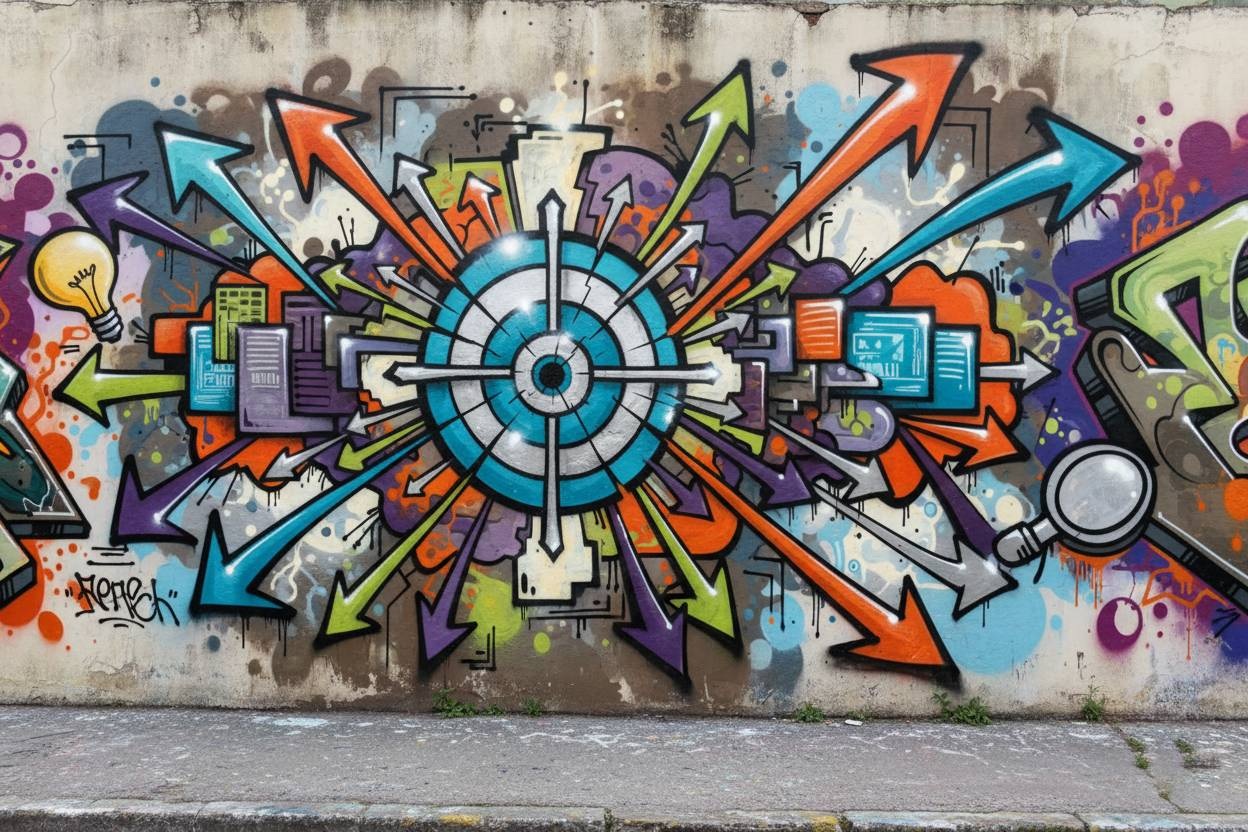
The digital landscape has transformed into a high-speed battlefield where attention is the primary currency. In 2026, the average user scrolls through roughly 300 feet of content daily, making the “scroll-stop” a critical metric for IT professionals and marketers alike. Modern social media design is no longer just about aesthetics; it is an intersection of cognitive psychology, data science, and advanced computing. Success requires a sophisticated understanding of how the human brain processes visual stimuli in under 1.5 seconds.
The Psychology of First Impressions
The human brain is hardwired to prioritize visual information, processing images approximately 60,000 times faster than text-based data. In the context of social media, this means your post must trigger an immediate emotional or cognitive response to interrupt a habitual scrolling motion. By utilizing high-contrast elements and familiar patterns, designers can bypass the “noise” of a crowded feed. This neurological shortcut is essential for ensuring that the technical value of your content isn’t ignored.
Visual Anchoring This technique involves placing a single, high-impact element in the center of the frame to act as a focal point. Emotional Triggers Using color and facial expressions to evoke specific feelings that encourage the user to pause and reflect.
Artificial Intelligence in Visual Composition
AI tools like Midjourney and Canva Magic Studio have revolutionized the workflow for creating high-fidelity social media assets. These systems use neural networks to analyze millions of successful posts, suggesting layouts that are statistically more likely to engage. For IT-focused bloggers, leveraging generative AI allows for the creation of futuristic, high-tech visuals that were once only possible with massive budgets. This integration of IT and design ensures that content is both professional and cutting-edge.
Generative Backgrounds Creating unique environments that match the specific mood of an article without the need for stock photography. Style Transfer Applying consistent brand aesthetics across various media types using AI-driven style matching algorithms.
Strategic Use of Typography and Hierarchy
Typography is the “voice” of your post, and in 2026, kinetic and bold typefaces are dominating the social media landscape. A clear visual hierarchy guides the viewer’s eye from the most important headline to the supporting details in a logical sequence. Without this structure, even the most beautiful design becomes a confusing mess of information that users will quickly skip. Effective designers use font weight and size to create a path for the eyes to follow effortlessly.
Kinetic Typography Integrating motion into text elements to capture attention through movement rather than just static design. Pairing Contrast Combining a bold, heavy-weight heading with a clean, light-weight sans-serif for maximum readability on mobile.
Color Theory for High Conversion Rates
Colors are not merely decorative; they are functional tools that can influence user behavior and drive specific actions. For instance, high-contrast combinations like blue and orange are frequently used to create “visual pop” against the standard white or dark modes of social platforms. Understanding the 60-30-10 rule helps in maintaining a balanced palette that doesn’t overwhelm the viewer’s senses. In IT and tech blogging, neon accents against dark backgrounds often signal innovation and digital sophistication.
Complementary Palettes Using colors from opposite sides of the color wheel to create the highest possible visual tension and interest. Brand Continuity Ensuring that the color choices align with the overall corporate identity to build long-term recognition.
Mobile-First Design Principles
With over 98% of users accessing social platforms via mobile devices, designing for the small screen is a non-negotiable requirement. This involves using a 1:1 or 4:5 aspect ratio to take up the maximum “real estate” on a smartphone screen. Small details like text size and button placement must be optimized for thumb-navigation to reduce friction for the user. A design that looks great on a desktop but is unreadable on a phone is a failed design in 2026.
Safe Zones Ensuring that critical text and UI elements are not obscured by platform overlays like “Like” buttons or captions. Vertical Optimization Prioritizing portrait-oriented visuals that align with the natural way users hold their mobile devices.
Data-Driven Design Iteration
In the realm of modern IT, design is an iterative process fueled by real-time analytics and A/B testing results. Professionals no longer guess what works; they use heatmaps and engagement data to refine their visual strategies. By analyzing which colors or layouts result in higher click-through rates, designers can evolve their style to meet audience preferences. This scientific approach ensures that every pixel serves a purpose in the overall communication strategy.
A/B Visual Testing Deploying two variations of a post to a small segment of the audience to see which performs better. Heatmap Analysis Using tracking software to see exactly where users are looking and clicking on a specific visual asset.
Short-Form Video and Motion Graphics
Video has become the dominant medium for engagement, with AI-powered tools allowing for the rapid production of high-quality clips. Motion graphics can explain complex IT concepts in seconds, making them perfect for “scroll-stopping” education. The first three seconds of a video are the most critical; they must contain a visual “hook” that promises value. Incorporating subtle animations into static posts can also provide just enough movement to catch a scroller’s eye.
Automated Captioning Using AI to generate synchronized text overlays, as 80% of users watch social videos with the sound off. Looping Effects Creating seamless visual loops that encourage repeated viewing and increase the “time-spent” metric.
Authenticity and Human-Centric Elements
Despite the rise of AI, human-centric content and “behind-the-scenes” visuals continue to drive the highest levels of trust. Showing the people behind the technology creates a relatable narrative that automated graphics simply cannot replicate. In a world saturated with “perfect” AI images, a raw, authentic photo can often be the most effective scroll-stopper. Balancing high-tech polish with human vulnerability is the key to building a loyal social media community.
Virtual Influencers Using AI-generated personas that act as brand ambassadors while maintaining a consistent and relatable identity. User-Generated Content Repurposing photos or videos from actual users to provide social proof and build a sense of community.
Technical Optimization for Speed and Quality
The technical backend of an image—such as its file format and compression level—significantly impacts how it is rendered on social platforms. Using WebP or optimized PNG formats ensures that high-quality visuals load instantly, preventing users from scrolling past a blank box. Furthermore, understanding the specific resolution requirements of each platform prevents the “blurriness” that can make a brand look unprofessional. High-speed loading is the first step in ensuring your design actually reaches the user.
Format Selection Choosing between JPEG, PNG, and WebP based on the complexity of the image and the target platform’s requirements. Compression Balance Reducing file size to ensure fast loading without sacrificing the visual integrity and sharpness of the design.
Statistics
- 90% of information transmitted to the brain is visual, which is why posts with images get 650% more engagement.
- The average attention span for a social media post in 2026 is estimated at just 1.3 seconds.
- Carousels on LinkedIn drive 11.2 times more impressions than standard text-only updates.
- 80% of social media users watch videos without sound, making captions mandatory for engagement.
- AI-powered ad placements see a 4% higher click-through rate compared to manual configurations.
- Posts featuring human faces are 38% more likely to receive likes than those without.
- Brands using consistent color palettes see an average of 23% increase in brand recognition.
Case Study: Heinz “AI Ketchup”
In a landmark campaign for visual branding, Heinz used the DALL-E image generator to prove its “scroll-stopping” power. They prompted the AI with generic terms like “ketchup in space” and “ketchup as a Renaissance painting.” Remarkably, the AI consistently generated images that resembled the iconic Heinz bottle shape. By sharing these AI-generated visuals on social media, Heinz saw a 38% higher engagement rate than their traditional campaigns. This study proved that a strong visual identity, reinforced by modern AI technology, can dominate the digital conversation.
Common Mistakes
- Overcrowding the Canvas: Adding too many elements distracts the viewer and causes them to scroll past without absorbing the message.
- Ignoring Platform Context: Using a 16:9 landscape video on TikTok or Instagram Reels results in wasted space and low engagement.
- Poor Contrast: Placing light text on a light background makes the content unreadable, especially for users with brightness turned down.
- Generic Stock Photos: Using overused, “corporate” stock images feels inauthentic and is often ignored by savvy modern users.
FAQ
How often should I change my visual style? While you should evolve with trends, your core brand colors and typography should remain consistent to build long-term recognition.
Is AI-generated art copyright-safe for social media? Current 2026 regulations suggest that AI art is generally safe for social use, but you should always check the specific terms of the tool you are using.
What is the best aspect ratio for all platforms? If you must choose one, the 1:1 square ratio is the most versatile, though 4:5 is preferred for maximum vertical coverage on Instagram.
Conclusion
Designing scroll-stopping social media posts in 2026 is a sophisticated blend of art, IT, and psychological strategy. By leveraging AI tools, respecting mobile-first principles, and maintaining a human touch, you can cut through the digital noise and capture your audience’s attention. Remember that the goal is not just to make them stop, but to provide enough value in that pause to convert a scroller into a follower. As technology continues to evolve, the most successful creators will be those who can seamlessly integrate technical precision with creative storytelling.digital landscape.
