

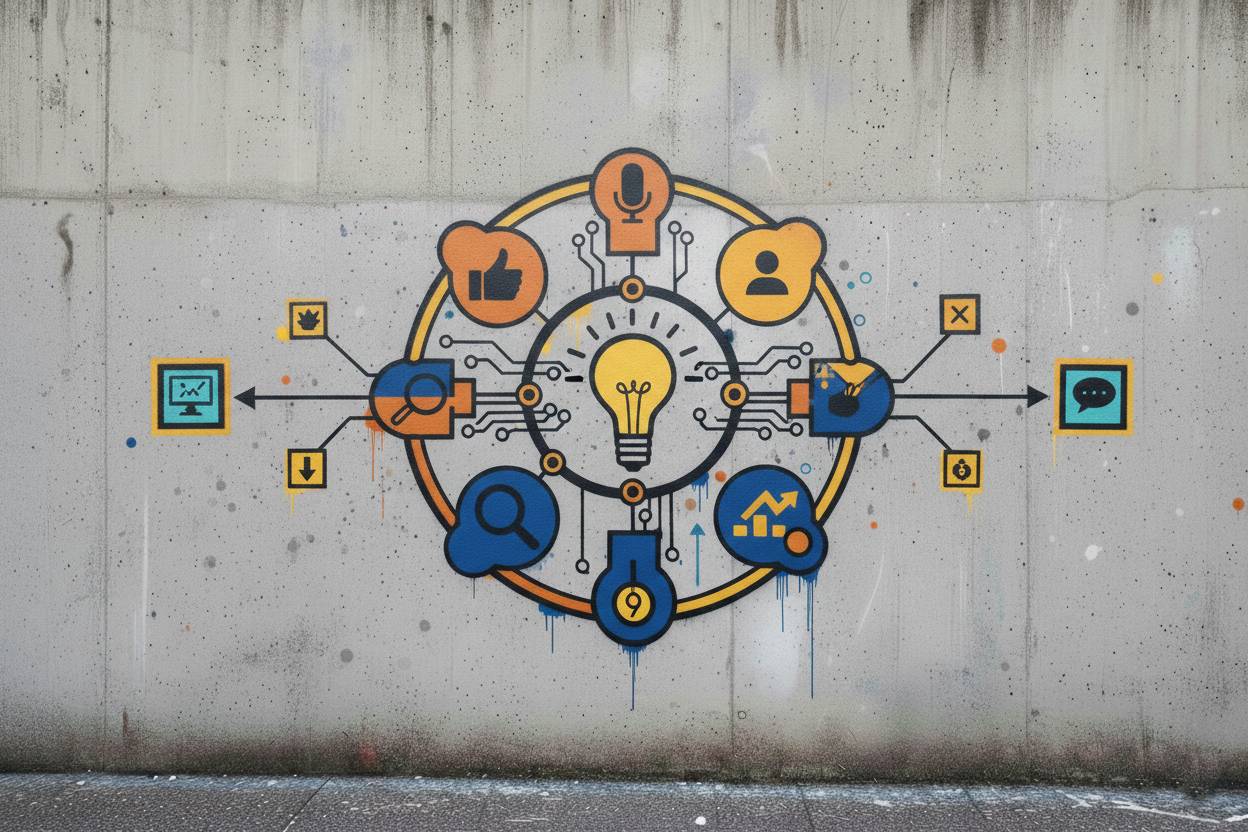
Personal branding is the intentional process of shaping how others perceive you as a business owner. It goes beyond logos and visuals to include values, expertise, communication style, and credibility. In competitive markets, people often trust individuals before they trust companies. A strong personal brand humanizes your business and builds long-term authority. It also positions you as a thought leader rather than just a service provider. Over time, this perception directly impacts growth and partnerships.
Brand Identity vs. Business Identity
Your personal brand and company brand should complement each other without being identical.
- Personal brand reflects your expertise, voice, and story
- Business brand focuses on products, services, and value propositions
Why Trust Is the Core Asset
Trust is the main currency in B2B and professional markets.
- Buyers prefer founders they recognize and respect
- Trust reduces sales cycles and negotiation friction
Defining Your Unique Value Proposition
A clear value proposition explains why you matter and why people should listen to you. Business owners often fail when they sound generic or copy competitors. Your personal branding strategy must highlight what you know, how you think, and how you solve problems differently. This clarity helps audiences remember you. It also ensures consistent messaging across platforms. Without it, visibility rarely converts into influence.
Identifying Core Expertise
Focus on the intersection of experience, results, and demand.
- Proven outcomes strengthen credibility
- Specialization increases memorability
Aligning with Market Needs
Relevance is more important than popularity.
- Address real pain points in your industry
- Adapt messaging to decision-makers, not peers
Building Authority Through Content
Content is the primary engine of personal branding today. Articles, posts, and talks demonstrate expertise at scale. Business owners who share insights consistently are perceived as industry references. The goal is education, not promotion. Over time, quality content builds inbound opportunities organically. Authority grows when audiences learn something practical from you.
Educational Content That Converts
Value-driven content positions you as a guide.
- Explain complex topics in simple language
- Share frameworks, not just opinions
Consistency Over Virality
Sustainable visibility beats short-term trends.
- Regular publishing builds familiarity
- Long-term presence outperforms one-time exposure
Leveraging Social Platforms Strategically
Social media is not about being everywhere, but being effective where it matters. Business owners should focus on platforms aligned with their industry. LinkedIn, X, and industry blogs often outperform entertainment-driven channels. Strategic engagement builds professional relationships, not just followers. The right platform choice amplifies credibility and reach.
Platform Selection for Business Owners
Different platforms serve different branding goals.
- LinkedIn supports B2B authority and networking
- Blogs support long-term SEO visibility
Engagement as a Visibility Multiplier
Interaction signals expertise and accessibility.
- Thoughtful comments build recognition
- Discussions increase algorithmic reach
Storytelling as a Branding Tool
Stories create emotional connection and memorability. Business journeys, challenges, and lessons humanize expertise. Authentic storytelling increases trust without exaggeration. It also differentiates you in saturated markets. Well-crafted stories turn experience into authority.
Founder Journey Narratives
Your path adds depth to your expertise.
- Challenges demonstrate resilience
- Lessons show growth and reflection
Using Stories to Teach
Stories are effective learning vehicles.
- Practical lessons stick longer
- Real scenarios increase relatability
Networking and Relationship-Based Branding
Personal branding is reinforced offline and online through relationships. Strategic networking expands influence beyond content. Referrals often come from perception, not marketing campaigns. Strong brands are discussed positively even when absent. Relationships turn visibility into real business opportunities.
Strategic Industry Connections
Quality matters more than quantity.
- Focus on peers and decision-makers
- Long-term relationships outperform quick wins
Speaking and Public Presence
Visibility increases authority faster in live settings.
- Panels and events boost credibility
- Speaking positions you as an expert
Reputation Management and Credibility Signals
Your digital footprint defines your reputation. Reviews, mentions, and search results shape first impressions. Business owners must actively manage credibility signals. Silence allows others to define your image. Proactive reputation management protects and strengthens personal branding.
Online Presence Audits
Regular audits prevent brand erosion.
- Update outdated profiles
- Remove inconsistent messaging
Social Proof and Validation
External validation reinforces trust.
- Testimonials increase confidence
- Media mentions signal authority
Measuring the Impact of Personal Branding
Personal branding should be measurable, not abstract. Metrics help refine strategy and justify effort. Business owners who track impact make better decisions. Measurement connects branding to revenue and influence. Without data, branding remains subjective.
Key Performance Indicators
Choose metrics aligned with goals.
- Profile views and engagement rates
- Inbound leads and invitations
Long-Term Brand Equity
Not all impact is immediate.
- Authority compounds over time
- Recognition increases deal quality
Case Study: Founder-Led Branding in Action
A SaaS founder focused on sharing weekly insights about scaling teams. Over 12 months, their LinkedIn presence grew steadily without paid ads. This visibility led to podcast invitations and enterprise leads. The personal brand became a trust bridge to the product. Eventually, sales cycles shortened due to prior familiarity.
Strategy Applied
The approach focused on clarity and consistency.
- Single niche focus
- Educational content only
Results Achieved
Outcomes were measurable and sustainable.
- Increased inbound demos
- Higher close rates
Statistics
- 82% of consumers trust a company more when its leadership is active online
- Founder-led brands see up to 30% higher engagement than brand-only accounts
- LinkedIn users are 5x more likely to engage with thought leadership content
- 77% of B2B buyers say personal credibility influences purchase decisions
- Consistent content publishing increases brand recall by over 60%
- Personal brands with clear niches grow audiences 2x faster
- Trust-based branding can reduce sales cycles by up to 25%
Frequently Asked Questions
Is personal branding necessary for small business owners?
Yes, especially for small businesses where trust and relationships drive growth.
How long does it take to see results from personal branding?
Most measurable impact appears within 6–12 months of consistent effort.
Can personal branding work without social media?
Yes, but growth is slower and relies more on speaking, referrals, and SEO.
Should personal branding be separate from company branding?
They should align strategically but serve different roles.
Is personal branding only for consultants and coaches?
No, founders, executives, and technical leaders benefit equally.
Common Mistakes in Personal Branding
- Trying to appeal to everyone instead of a clear niche
- Over-promoting services instead of sharing value
- Inconsistent messaging across platforms
- Ignoring reputation management
- Expecting instant results without long-term commitment
Conclusion
Personal branding is no longer optional for business owners operating in competitive markets. It builds trust, authority, and long-term visibility that traditional marketing cannot replace. When executed strategically, it shortens sales cycles and increases influence. The key lies in clarity, consistency, and credibility. Over time, a strong personal brand becomes a business asset that compounds in value.
