

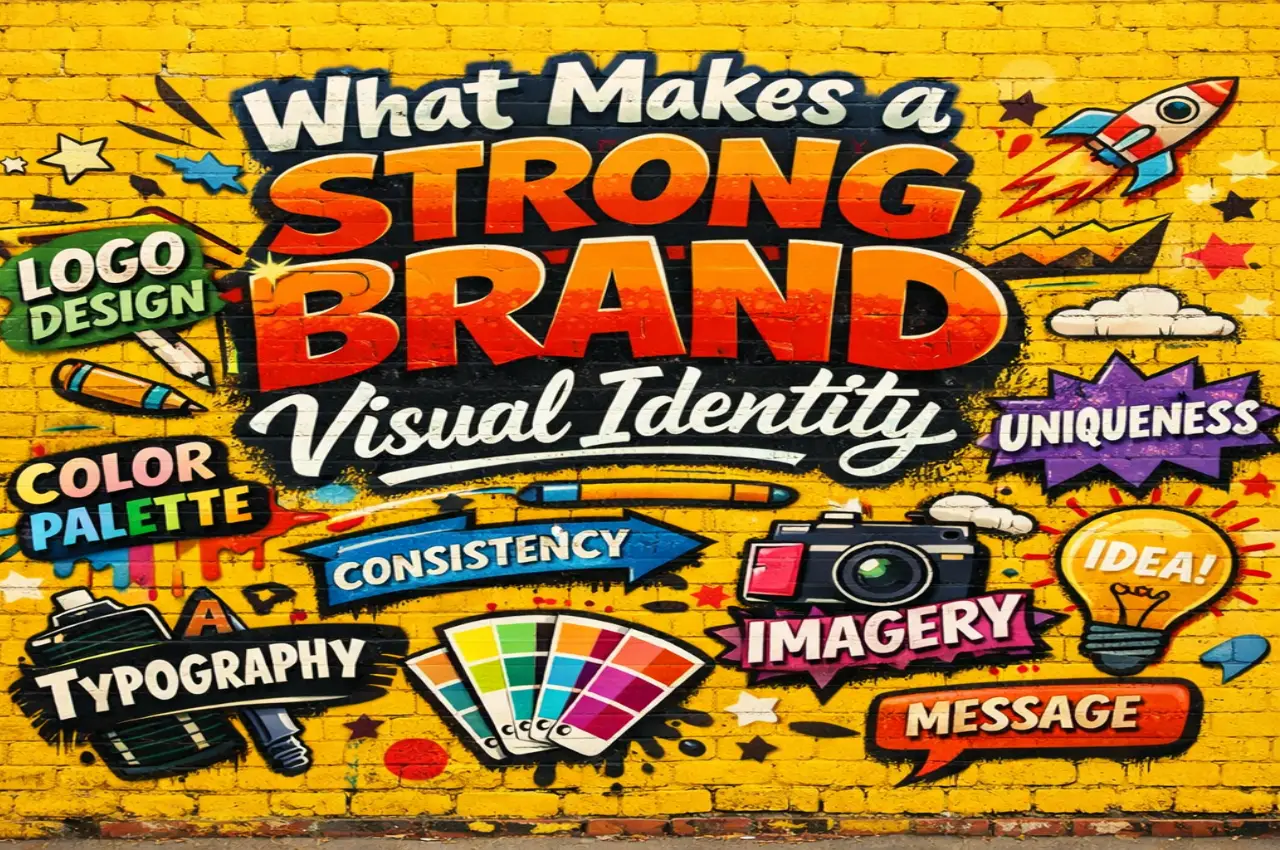
A strong brand visual identity is more than a logo or a color palette. It is the visual language that communicates a brand’s values, personality, and promise at a glance. In a world crowded with digital products and AI-powered platforms, visual identity plays a decisive role in trust, recall, and differentiation. This article explores the core elements that shape an effective visual identity and how brands can build one that lasts.
Brand Purpose Reflected Visually
A strong visual identity begins with a clear brand purpose translated into visuals. Every design choice should reinforce why the brand exists and what it stands for. When purpose and visuals align, audiences feel consistency and authenticity across all touchpoints.
Mission Alignment
Visual elements should express the brand’s mission without explanation, using shapes, tone, and style that reflect its core message.
Emotional Connection
Colors, imagery, and typography work together to evoke emotions that match the brand’s values and audience expectations.
Logo Design That Scales
An effective logo is simple, memorable, and flexible across platforms. It must work equally well on a website header, mobile app icon, AI dashboard, or printed material without losing clarity.
Simplicity and Recognition
Clean and minimal logos are easier to remember and faster to recognize in crowded digital environments.
Adaptability Across Media
A strong logo maintains its impact whether displayed in monochrome, small sizes, or motion-based interfaces.
Color Psychology and Consistency
Color is one of the most powerful elements of visual identity. Strategic color choices influence perception, behavior, and emotional response, especially in tech and AI-driven products.
Emotional Influence
Different colors trigger specific psychological responses, shaping how users feel about a brand within seconds.
Consistent Application
Using the same color system across platforms builds familiarity and strengthens brand recall over time.
Typography That Communicates Personality
Typography is often underestimated, yet it plays a critical role in shaping brand voice. The right typeface communicates professionalism, innovation, or friendliness instantly.
Readability and Function
Clear, accessible fonts improve user experience across screens, from websites to software interfaces.
Brand Tone Expression
Typography style subtly signals whether a brand is modern, authoritative, playful, or technical.
Visual Consistency Across Platforms
Consistency builds trust. When users encounter the same visual patterns across websites, apps, social media, and AI tools, the brand feels reliable and professional.
Unified Design System
A defined visual system ensures consistency in layouts, spacing, and graphic elements across teams and channels.
Cross-Platform Experience
Consistent visuals help users move seamlessly between desktop, mobile, and emerging AI interfaces.
Imagery and Graphic Style
Images and illustrations shape how users emotionally connect with a brand. A clear visual style helps content feel cohesive and recognizable.
Authentic Visual Language
Original and relevant visuals build credibility and prevent the brand from blending into generic designs.
Supporting Brand Story
Imagery should reinforce the brand narrative rather than distract from it.
Data-Driven Design Decisions
Strong visual identities are informed by research, not guesswork. Data helps brands understand what resonates with their audience and why.
User Behavior Insights
Analytics reveal how users interact with visuals, guiding design improvements based on real behavior.
A/B Visual Testing
Testing different visual elements helps optimize engagement and conversion rates.
Adaptability for Future Growth
A successful visual identity is built to evolve. As brands expand into AI, new platforms, or global markets, visuals must remain flexible.
Scalability Over Time
Design systems should allow updates without losing brand recognition.
Technology Readiness
Visual identity must work in emerging contexts such as AI interfaces, voice assistants, and immersive environments.
Trust and Professional Credibility
Visual identity directly impacts how trustworthy a brand appears. In technology and AI sectors, credibility is often judged visually before functionality is tested.
Professional Design Signals
High-quality visuals signal competence, reliability, and attention to detail.
First Impression Impact
Users form opinions about a brand within seconds based on visual presentation alone.
Real-World Case Example
Slack provides a strong example of visual identity evolution. As the platform scaled globally, it refined its logo, color system, and illustrations to improve consistency across digital products. The updated visual identity maintained recognizability while enhancing clarity across apps, websites, and integrations, supporting rapid user growth and stronger brand recall.
Statistics
- Consistent brand presentation across platforms increases revenue by up to 23%.
- Color improves brand recognition by approximately 80%.
- Users form a first impression of a brand in less than 7 seconds.
- 75% of consumers judge a company’s credibility based on visual design.
- Brands with strong visual identities experience higher customer loyalty rates.
- Well-designed interfaces can increase conversion rates by over 30%.
- Visual consistency significantly improves user trust in digital and AI-based products.
The Most Common Mistakes
- Relying on trends instead of long-term brand strategy.
- Inconsistent use of colors, fonts, and imagery across platforms.
- Designing a logo without considering scalability and adaptability.
- Ignoring user research and data when making visual decisions.
- Overcomplicating visual elements, reducing clarity and recognition.
Frequently Asked Questions
Why is visual identity critical for tech and AI brands?
Because users often judge credibility and reliability before engaging with complex technology.
Can a strong visual identity improve conversions?
Yes, clear and consistent visuals reduce friction and increase user confidence.
How often should a brand update its visual identity?
Updates should be evolutionary, not frequent, and aligned with business growth or market shifts.
Is a logo the most important element?
The logo is important, but consistency across all visual elements matters more.
Does visual identity affect SEO indirectly?
Yes, better user experience and engagement can positively influence SEO performance.
Conclusion
A strong brand visual identity is a strategic asset, not a decorative choice. It communicates purpose, builds trust, and differentiates brands in competitive digital and AI-driven markets. By combining clarity, consistency, data-driven decisions, and adaptability, brands can create visual identities that support growth and long-term success.and consistency, designers can guide users effortlessly through content. Visual clarity is not just a design preference; it is a strategic advantage that enhances usability, trust, and engagement. When applied thoughtfully, these principles lead to better outcomes for both users and businesses.
