

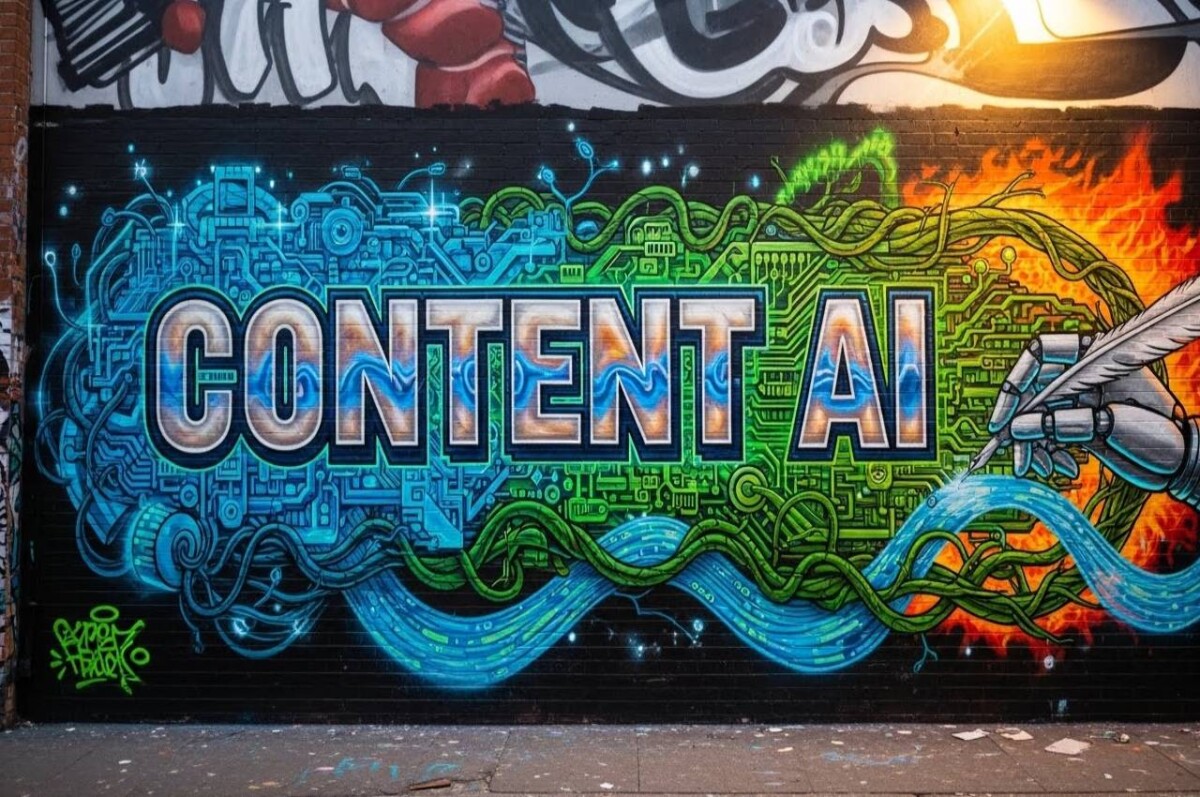
Artificial Intelligence is no longer a futuristic concept—it’s a core component of modern marketing strategies. OArtificial Intelligence is no longer a futuristic concept—it’s a core component of modern marketing strategies. Over 80% of marketing professionals now integrate AI tools to streamline workflows, personalize customer experiences, and drive revenue growth. From predictive analytics to automated content creation, AI platforms empower teams to make data-driven decisions faster than ever before. The global AI in marketing market size is projected to reach $107.5 billion by 2028, reflecting its rapid adoption across industries. Brands that fail to leverage AI risk falling behind competitors who harness its power for precision targeting and efficiency.
Personalization at Scale AI enables hyper-personalization, allowing brands to tailor messages to individual preferences. Platforms like Adobe Target and Dynamic Yield analyze user behavior in real-time, delivering customized content that boosts engagement and conversion rates. Studies show personalized marketing can increase sales by up to 20%, making it a game-changer for customer retention.
Automating Repetitive Tasks Marketing teams spend nearly 30% of their time on repetitive tasks such as email campaigns and social media scheduling. AI tools like HubSpot and Mailchimp automate these processes, freeing up time for creative and strategic initiatives. Automation not only reduces human error but also ensures consistency across all customer touchpoints.
Leading AI Platforms for Content Creation
Content remains king, but creating high-quality, relevant content at scale is challenging. AI-powered platforms like Jasper and Copy.ai generate blog posts, social media captions, and ad copy in seconds, maintaining brand voice and tone. These tools use natural language processing (NLP) to produce content that resonates with target audiences, reducing production time by up to 60%.
Jasper: The AI Writing Assistant Jasper helps marketers craft compelling copy for various formats, from emails to landing pages. Its ability to adapt to different industries and tones makes it a favorite among content teams. Brands using Jasper report a 50% reduction in content creation costs, demonstrating its cost-effectiveness.
Copy.ai: Simplifying Content Workflows Copy.ai specializes in generating short-form content, such as ad headlines and product descriptions. Its user-friendly interface and integration with popular marketing tools make it accessible for teams of all sizes. Companies leveraging Copy.ai have seen a 35% increase in content output without sacrificing quality.
AI-Driven Customer Insights and Analytics
Understanding customer behavior is crucial for effective marketing. AI platforms like Google Analytics 4 and IBM Watson analyze vast datasets to uncover actionable insights. These tools predict trends, identify high-value customers, and optimize marketing spend, leading to a 15-20% improvement in ROI for businesses that adopt them.
Google Analytics 4: Predictive Analytics GA4 uses machine learning to forecast customer actions, such as churn risk and purchase probability. Marketers can proactively adjust campaigns based on these predictions, improving customer lifetime value. Early adopters of GA4 have reported a 25% increase in campaign performance.
IBM Watson: Cognitive Marketing Solutions IBM Watson goes beyond traditional analytics by interpreting unstructured data like social media posts and customer reviews. Its cognitive capabilities help brands understand sentiment and intent, enabling more targeted and empathetic marketing strategies.
Chatbots and Conversational AI for Engagement
Chatbots have revolutionized customer service and engagement. Platforms like Drift and Intercom use AI to provide instant, 24/7 support, answering queries and guiding users through the sales funnel. Businesses using chatbots see a 30% reduction in customer service costs and a 20% increase in lead generation.
Drift: Real-Time Customer Interactions Drift’s AI-powered chatbots qualify leads and schedule meetings, reducing response times from hours to seconds. Companies using Drift have achieved a 40% higher conversion rate from chat interactions, highlighting the impact of instant engagement.
Intercom: Personalized Customer Journeys Intercom combines chatbots with human support, ensuring seamless transitions for complex inquiries. Its AI-driven routing system connects customers with the right agent, improving resolution times and satisfaction scores.
AI in Social Media Marketing
Social media is a goldmine for customer data, and AI tools like Hootsuite and Sprout Social help marketers harness this information. These platforms analyze engagement patterns, suggest optimal posting times, and even generate content ideas. AI-driven social media strategies can increase engagement rates by up to 50%.
Hootsuite: Smart Scheduling and Insights Hootsuite’s AI recommends the best times to post based on audience activity, maximizing reach. Its sentiment analysis feature also helps brands monitor public perception and adjust strategies in real time.
Sprout Social: Competitive Benchmarking Sprout Social’s AI compares a brand’s performance against competitors, identifying gaps and opportunities. Marketers using Sprout Social report a 30% improvement in social media ROI due to data-driven optimizations.
Programmatic Advertising and AI Optimization
Programmatic advertising uses AI to buy and place ads in real time, targeting the right audience at the right moment. Platforms like The Trade Desk and Adobe Advertising Cloud optimize bids and creatives, reducing wasted ad spend. AI-driven programmatic ads deliver 3-5 times higher click-through rates compared to traditional methods.
The Trade Desk: Precision Targeting The Trade Desk’s AI evaluates billions of data points to place ads where they’ll perform best. Brands using the platform see a 40% increase in ad efficiency and a 25% reduction in cost per acquisition.
Adobe Advertising Cloud: Cross-Channel Campaigns Adobe’s platform unifies data from multiple channels, allowing marketers to create cohesive, AI-optimized campaigns. Users benefit from a 35% higher conversion rate thanks to its advanced audience segmentation and dynamic creative optimization.
Email Marketing Automation with AI
Email remains one of the most effective marketing channels, and AI is making it even more powerful. Tools like Phrasee and Persado optimize subject lines and email content for maximum open and click-through rates. AI-driven email campaigns achieve open rates 20% higher than manually crafted ones.
Phrasee: Language Optimization Phrasee uses NLP to generate high-performing email subject lines and body copy. Brands using Phrasee have seen a 10-15% increase in email engagement, proving the value of AI in copywriting.
Persado: Emotional Intelligence in Emails Persado’s AI crafts messages that resonate emotionally with recipients, driving action. Its clients experience a 40% uplift in email response rates, demonstrating the power of emotionally intelligent marketing.
AI for SEO and Content Optimization
Search engine optimization is evolving with AI, and tools like Clearscope and SurferSEO help marketers create content that ranks higher. These platforms analyze top-performing pages and suggest improvements for better visibility. AI-optimized content ranks 2-3 positions higher on average, leading to more organic traffic.
Clearscope: Content Grading and Recommendations Clearscope provides real-time feedback on content quality and relevance, ensuring it meets SEO best practices. Websites using Clearscope see a 30% increase in organic traffic within six months.
SurferSEO: Data-Driven Content Strategies SurferSEO compares content against top-ranking pages and offers actionable recommendations. Users report a 50% faster climb in search rankings after implementing its suggestions.
The Role of AI in Influencer Marketing
Influencer marketing is booming, and AI platforms like AspireIQ and Upfluence help brands find the right influencers and measure campaign success. AI analyzes engagement rates, audience demographics, and content authenticity, ensuring partnerships deliver real ROI. Brands using AI for influencer marketing achieve a 30% higher return on investment.
AspireIQ: Influencer Discovery and Management AspireIQ’s AI identifies influencers whose audiences align with a brand’s target market. Its predictive analytics also forecast campaign performance, reducing the risk of poor partnerships.
Upfluence: Performance Tracking Upfluence tracks influencer campaigns in real time, providing insights into reach, engagement, and conversions. Brands using Upfluence see a 25% increase in influencer marketing ROI.
AI-Powered Video Marketing Tools
Video content dominates digital marketing, and AI tools like Synthesia and Lumen5 make production faster and more affordable. These platforms generate videos from text, add captions, and even create personalized video messages at scale. AI-produced videos can reduce production costs by up to 70%.
Synthesia: AI Video Avatars Synthesia creates videos with AI-generated presenters, supporting multiple languages and accents. Companies using Synthesia produce 5 times more video content, enhancing their digital presence.
Lumen5: Text-to-Video Conversion Lumen5 transforms blog posts and articles into engaging videos, ideal for social media. Its AI selects relevant visuals and music, saving hours of editing time. Brands using Lumen5 report a 40% increase in video engagement.
Common Mistakes in AI Marketing Adoption
Despite its benefits, many brands struggle with AI implementation. Common pitfalls include over-reliance on automation, ignoring data privacy, and failing to train teams on new tools. To succeed, marketers should balance AI with human oversight, prioritize ethical data use, and invest in continuous learning.
Over-Automation Without Human Touch Automation should enhance, not replace, human creativity. Brands that automate everything risk losing authenticity and connection with their audience.
Neglecting Data Privacy and Compliance AI relies on data, and mishandling it can lead to legal issues and reputational damage. Always ensure compliance with regulations like GDPR and CCPA.
Statistics
- AI in Marketing Market Size: Projected to reach $107.5 billion by 2028 (Grand View Research, 2023).
- Personalization Impact: Personalized marketing can increase sales by up to 20% (McKinsey, 2024).
- Content Creation Efficiency: AI tools reduce content production time by up to 60% (Content Marketing Institute, 2025).
- Chatbot ROI: Businesses using chatbots see a 30% reduction in customer service costs (Juniper Research, 2025).
- Programmatic Ad Performance: AI-driven ads deliver 3-5 times higher click-through rates (eMarketer, 2024).
- Email Engagement: AI-optimized emails achieve open rates 20% higher than manual campaigns (HubSpot, 2025).
- SEO Improvement: AI-optimized content ranks 2-3 positions higher on average (Search Engine Journal, 2024).
- Influencer Marketing ROI: AI-driven influencer campaigns deliver a 30% higher return (Influencer Marketing Hub, 2025).
FAQs
How do AI marketing platforms improve ROI? AI platforms analyze data in real time, enabling precise targeting, personalization, and automation. This reduces wasted spend and increases conversion rates, directly boosting ROI.
Are AI marketing tools suitable for small businesses? Yes, many AI tools offer scalable solutions tailored to small businesses, with affordable pricing and user-friendly interfaces.
Can AI replace human marketers? No, AI enhances marketing efforts but cannot replace human creativity, strategy, and emotional intelligence.
What is the biggest challenge in adopting AI for marketing? The main challenges include data privacy concerns, integration with existing systems, and the need for team training.
How do I choose the right AI platform for my team? Assess your specific needs, such as content creation, analytics, or customer engagement, and select a platform that aligns with your goals and budget.
Is AI in marketing expensive? Costs vary, but many platforms offer tiered pricing, making AI accessible for businesses of all sizes.
Conclusion
AI platforms are reshaping the marketing landscape, offering unprecedented opportunities for efficiency, personalization, and growth. By leveraging the right tools, marketing teams can stay ahead of the curve, deliver exceptional customer experiences, and drive measurable results. The key to success lies in strategic adoption, continuous learning, and balancing AI capabilities with human insight. As AI continues to evolve, its role in marketing will only become more integral, making now the perfect time to explore and invest in these powerful technologies.
