

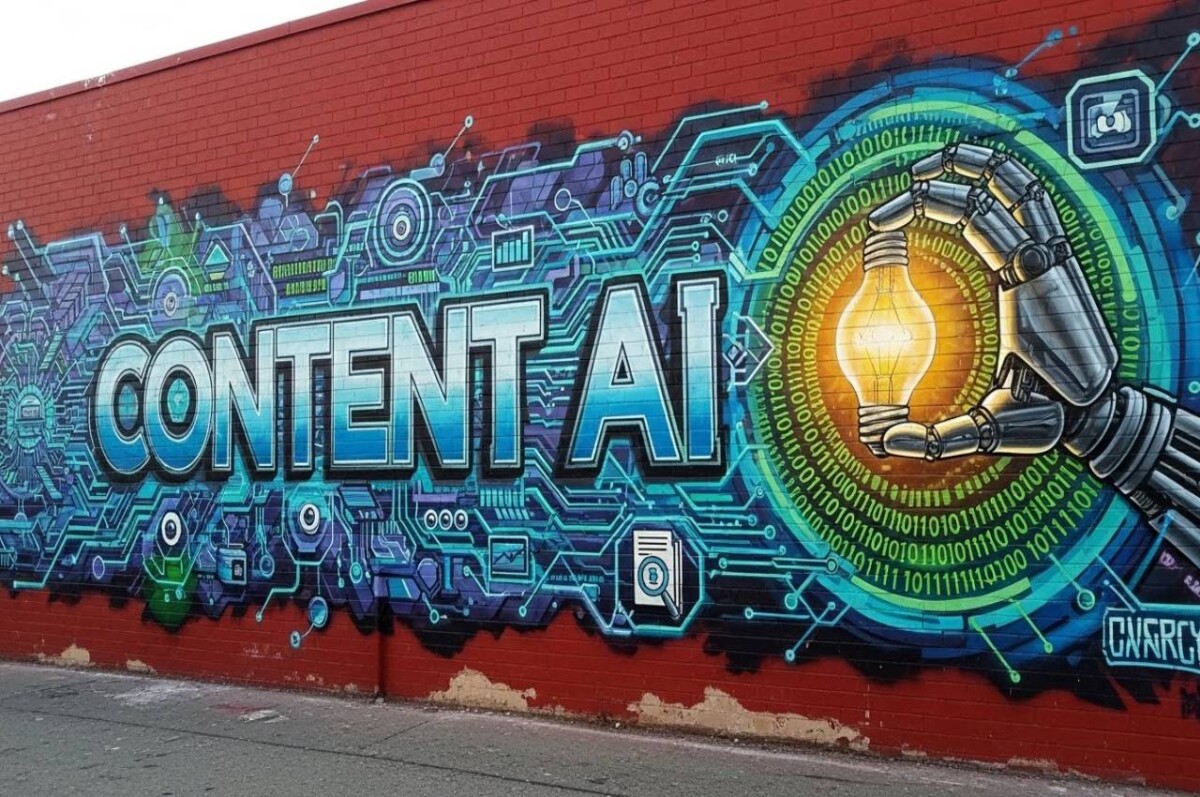
AI content creation has become a core pillar of modern digital marketing strategies. It enables brands to produce high-quality content faster while maintaining relevance and consistency. By leveraging machine learning and natural language processing, marketers can better understand audience intent. This shift allows content teams to focus on strategy rather than repetitive tasks. As competition increases, AI-driven content is no longer optional but essential.
How AI Transforms Content Strategy
AI reshapes content planning by analyzing massive data sets to predict what audiences want to read or watch. It helps marketers identify trending topics and optimal publishing times. Personalization becomes scalable, allowing tailored messages for different segments. AI also improves content performance through continuous optimization. This results in higher engagement and stronger brand loyalty.
Key AI Technologies Behind Content Creation
Natural language processing enables machines to understand and generate human-like text. Machine learning models learn from historical data to improve tone, structure, and relevance over time. These technologies work together to automate ideation, drafting, and optimization. They also support multilingual content at scale. This technological foundation is what makes AI content creation practical and reliable.
Natural Language Processing
This technology allows AI to understand context, sentiment, and intent within written language. It ensures generated content feels natural and aligned with brand voice.
Machine Learning Models
These models analyze past content performance to predict what formats and topics will succeed. Over time, they continuously refine outputs for better results.
Benefits for Marketers and Brands
AI significantly reduces content production time without sacrificing quality. It lowers costs by minimizing reliance on large editorial teams. Marketers gain deeper insights into audience behavior through data-driven recommendations. Campaigns become more agile and adaptable to market changes. Ultimately, AI helps brands scale their content efforts efficiently.
Real-World Case Study in AI Content Marketing
A global e-commerce brand implemented AI-powered content tools to automate product descriptions and blog posts. Within months, their content output tripled while maintaining SEO quality. Organic traffic increased due to better keyword alignment and consistency. Engagement metrics improved as content became more personalized. This example demonstrates how AI can drive measurable marketing growth when strategically applied.
Challenges and Ethical Considerations
Despite its advantages, AI content creation raises concerns about originality and authenticity. Overreliance on automation may weaken brand voice if not properly managed. Data privacy is another critical issue when using user behavior for personalization. Marketers must balance efficiency with ethical responsibility. Human oversight remains essential to ensure quality and trust.
Statistics
Recent industry data shows that over 60% of marketers now use AI in content creation workflows. Studies indicate AI-assisted content can improve productivity by nearly 40%. Personalized AI-driven content has been shown to increase conversion rates by more than 20%. Around 70% of consumers prefer personalized digital experiences powered by data insights. AI-based SEO tools contribute to higher search visibility in nearly half of competitive niches. Content teams using AI report faster time-to-market by approximately 35%. Global investment in AI marketing technologies continues to grow at double-digit annual rates.
Frequently Asked Questions
Is AI content creation suitable for all industries?
AI can be adapted to most industries, but effectiveness depends on proper training and customization.
Does AI replace human writers?
AI supports writers by handling repetitive tasks, while humans provide creativity and strategic direction.
How does AI impact SEO performance?
AI enhances SEO by optimizing keywords, structure, and readability based on search data.
Is AI-generated content trustworthy?
With human review and ethical guidelines, AI content can be accurate and reliable.
Conclusion
AI content creation is transforming digital marketing by combining efficiency with intelligence. It empowers brands to scale content, personalize experiences, and make data-driven decisions. While challenges exist, thoughtful implementation ensures long-term value. The future of digital marketing will rely on collaboration between human creativity and artificial intelligence. Brands that adopt this approach early will gain a lasting competitive advantage.
