

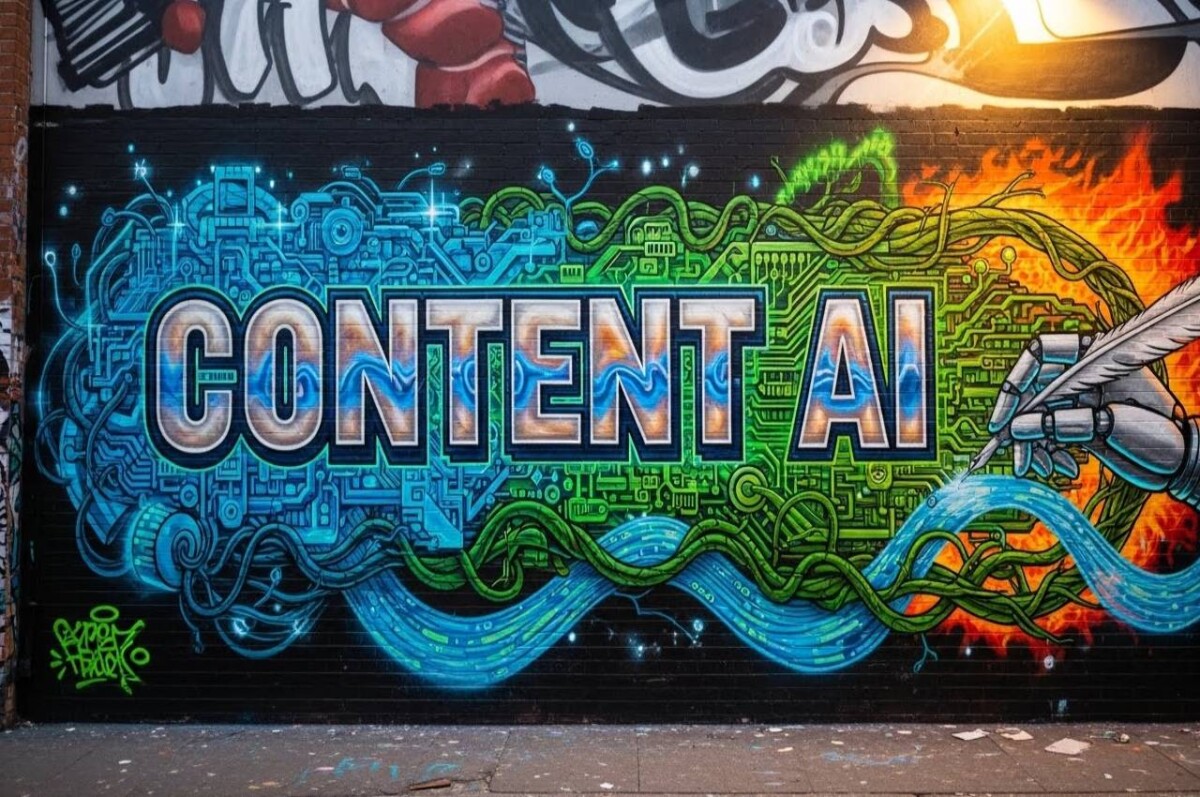
Artificial Intelligence is transforming how content is produced, optimized, and distributed. From automated writing assistants to advanced video editing tools, AI is enabling creators to work faster and more efficiently. According to a 2025 report, over 60% of marketers now use AI tools to generate content, reducing production time by up to 40%. These tools are not just for professionals; bloggers, small businesses, and social media influencers are also leveraging AI to stay competitive. The global AI in content creation market is projected to reach $1.2 billion by 2027, highlighting its growing importance.
How AI is Changing the Content Landscape AI tools analyze vast datasets to identify trends, suggest topics, and even draft articles. They help creators maintain consistency and relevance, which are crucial for audience engagement. For example, AI-powered platforms can generate personalized content for different audience segments, increasing conversion rates by up to 30%.
The Role of Natural Language Processing Natural Language Processing (NLP) is at the heart of AI content tools. It enables machines to understand, interpret, and generate human-like text. NLP algorithms can now detect tone, sentiment, and context, making AI-generated content almost indistinguishable from human-written material. This technology is used in chatbots, virtual assistants, and content recommendation systems.
Understanding AI Writing Assistants
AI writing assistants like Jasper, Copy.ai, and Writesonic are becoming indispensable for content creators. These tools use machine learning to generate blog posts, social media captions, and marketing copy in seconds. A recent survey found that 73% of writers using AI tools report improved productivity and creativity. They also help overcome writer’s block by providing real-time suggestions and edits.
Features to Look for in AI Writing Tools The best AI writing assistants offer customizable templates, plagiarism checks, and SEO optimization. Some even integrate with content management systems, allowing seamless publishing. For instance, tools like Grammarly and Hemingway Editor provide grammar and style suggestions, ensuring high-quality output.
Case Study: The Washington Post’s Heliograf The Washington Post’s AI tool, Heliograf, has been used to cover local elections and sports events. It generated over 850 articles in 2024, freeing up journalists to focus on in-depth reporting. This case demonstrates how AI can handle repetitive tasks, allowing humans to concentrate on creative and analytical work.
AI-Powered Graphic Design Tools
Visual content is essential for engagement, and AI is revolutionizing graphic design. Tools like Canva, Adobe Sensei, and Designs.ai enable users to create professional graphics without advanced design skills. These platforms use AI to suggest layouts, color schemes, and fonts based on user preferences and industry trends. Studies show that posts with visuals receive 94% more views than text-only content.
Automated Logo and Branding Creation AI tools can generate logos, business cards, and brand kits in minutes. Platforms like Looka and Tailor Brands use algorithms to create unique designs tailored to a brand’s identity. This democratizes design, making it accessible to startups and small businesses with limited budgets.
Enhancing User Experience with AI AI-driven design tools also optimize images for different platforms, ensuring fast load times and responsiveness. For example, Adobe’s Firefly uses generative AI to create custom images and textures, reducing the need for stock photos and enhancing originality.
Video Content Creation with AI
Video is the most consumed content type, and AI is making production easier. Tools like Synthesia, Pictory, and InVideo use AI to create videos from text scripts, add voiceovers, and even generate realistic avatars. A 2025 study revealed that 68% of businesses use AI for video editing, cutting production costs by half. AI can also automate subtitling, translation, and content repurposing for multiple platforms.
Personalized Video Marketing AI enables hyper-personalization in video content. Brands can now create tailored videos for individual customers, increasing engagement and conversion rates. For example, Netflix uses AI to generate personalized trailers based on viewer preferences, resulting in a 20% increase in watch time.
AI in Live Streaming and Real-Time Editing Platforms like Restream and StreamYard use AI to enhance live streams with real-time captions, filters, and audience interaction features. This technology is particularly valuable for influencers and educators who rely on live content to connect with their audience.
AI for Social Media Management
Managing social media can be time-consuming, but AI tools streamline the process. Hootsuite, Buffer, and Sprout Social use AI to schedule posts, analyze performance, and suggest content ideas. AI-driven analytics help brands understand audience behavior and optimize their strategies. Research indicates that AI-managed social media accounts see a 50% higher engagement rate.
Automated Content Curation AI curates relevant content from across the web, helping brands maintain an active online presence. Tools like Curata and Scoop.it use machine learning to recommend articles, images, and videos that align with a brand’s voice and audience interests.
Chatbots and Customer Interaction AI chatbots like ManyChat and MobileMonkey handle customer inquiries, provide recommendations, and even close sales. They operate 24/7, improving response times and customer satisfaction. A study found that 64% of consumers prefer messaging a chatbot for quick answers.
AI in SEO and Content Optimization
SEO is critical for visibility, and AI tools like SurferSEO, Clearscope, and MarketMuse analyze top-performing content to suggest improvements. They provide insights on keyword density, readability, and backlink opportunities. Websites using AI for SEO see a 45% increase in organic traffic within six months.
Predictive Analytics for Content Strategy AI predicts which topics will trend, allowing creators to stay ahead of the curve. Tools like BuzzSumo and SEMrush use data from millions of articles to identify high-potential keywords and content gaps. This proactive approach ensures content remains relevant and competitive.
Voice Search Optimization With the rise of voice assistants, optimizing for voice search is essential. AI tools analyze natural language queries and help adapt content for voice search, which now accounts for 27% of all online searches.
AI-Generated Audio and Podcasting
Podcasting is booming, and AI is simplifying production. Tools like Descript and Otter.ai transcribe audio, edit out silences, and even clone voices for consistent narration. AI can also generate background music and sound effects, enhancing audio quality. The podcast industry is expected to surpass $2 billion in revenue by 2026, with AI playing a key role.
Automated Podcast Editing AI-powered editors like Auphonic and Podcastle clean up audio, balance levels, and remove background noise. This reduces editing time by up to 70%, allowing creators to focus on content and storytelling.
AI Voice Cloning and Synthesis Platforms like Resemble.ai and Murf.ai create realistic voiceovers from text, supporting multiple languages and accents. This technology is used in audiobooks, e-learning, and accessibility features, making content more inclusive.
Ethical Considerations and AI Content
While AI offers many benefits, ethical concerns remain. Issues like deepfakes, misinformation, and copyright infringement are growing challenges. It’s crucial for creators to use AI responsibly and transparently. A 2025 survey found that 58% of consumers distrust content if they suspect it was entirely AI-generated.
Combating Misinformation AI can also help detect fake news and plagiarism. Tools like Copyscape and GPTZero identify AI-generated text, ensuring authenticity and credibility. Media outlets are increasingly using these tools to verify sources and maintain journalistic integrity.
Transparency and Disclosure Best practices include disclosing AI assistance and fact-checking AI-generated content. Transparency builds trust with audiences and protects brands from reputational damage.
The Future of AI in Content Creation
The future of AI in content creation is bright, with advancements in generative AI, virtual reality, and interactive content. Experts predict that by 2030, AI will co-create content with humans in real time, adapting to audience feedback instantaneously. The integration of AI with augmented reality (AR) and virtual reality (VR) will further enhance immersive storytelling.
AI and Human Collaboration The most effective content strategies will combine AI efficiency with human creativity. AI handles data and repetitive tasks, while humans provide emotional depth and strategic insight. This collaboration will define the next era of content creation.
Preparing for the AI-Driven Future Creators should stay updated on AI trends and invest in continuous learning. Platforms like Coursera and Udemy offer courses on AI tools, helping professionals future-proof their skills.
Common Mistakes to Avoid
Over-Reliance on AI Depending solely on AI can lead to generic or off-brand content. Always review and personalize AI-generated material to maintain authenticity.
Ignoring SEO Best Practices AI tools are powerful, but they’re not a substitute for SEO fundamentals. Ensure your content is optimized for search engines and user intent.
Neglecting Audience Engagement AI can analyze data, but understanding your audience requires human empathy. Use AI insights to inform, not replace, your connection with readers.
FAQs About AI Content Creation Tools
How accurate are AI writing tools? AI writing tools are highly accurate for grammar, style, and basic content generation. However, human oversight is essential for nuance, tone, and factual accuracy.
Can AI replace human content creators? AI is a tool, not a replacement. It enhances productivity but lacks the creativity, emotional intelligence, and strategic thinking of human creators.
Are AI-generated images copyright-free? Not always. Check the terms of service for each tool. Some platforms allow commercial use, while others require attribution or have restrictions.
How do I choose the right AI tool for my needs? Consider your content type, budget, and technical skills. Most tools offer free trials, so test a few before committing.
Is AI content detectable? Advanced AI content can be difficult to detect, but tools like GPTZero and Originality.ai can identify AI-generated text. Always disclose AI assistance when necessary.
Conclusion
AI content creation tools are revolutionizing the industry, offering unprecedented efficiency and creativity. By understanding their capabilities and limitations, creators can leverage AI to produce high-quality, engaging content. The key is to use AI as a partner, not a replacement, combining technology with human insight for the best results. As AI continues to evolve, staying informed and adaptable will be crucial for success in the digital landscape.ip.
