

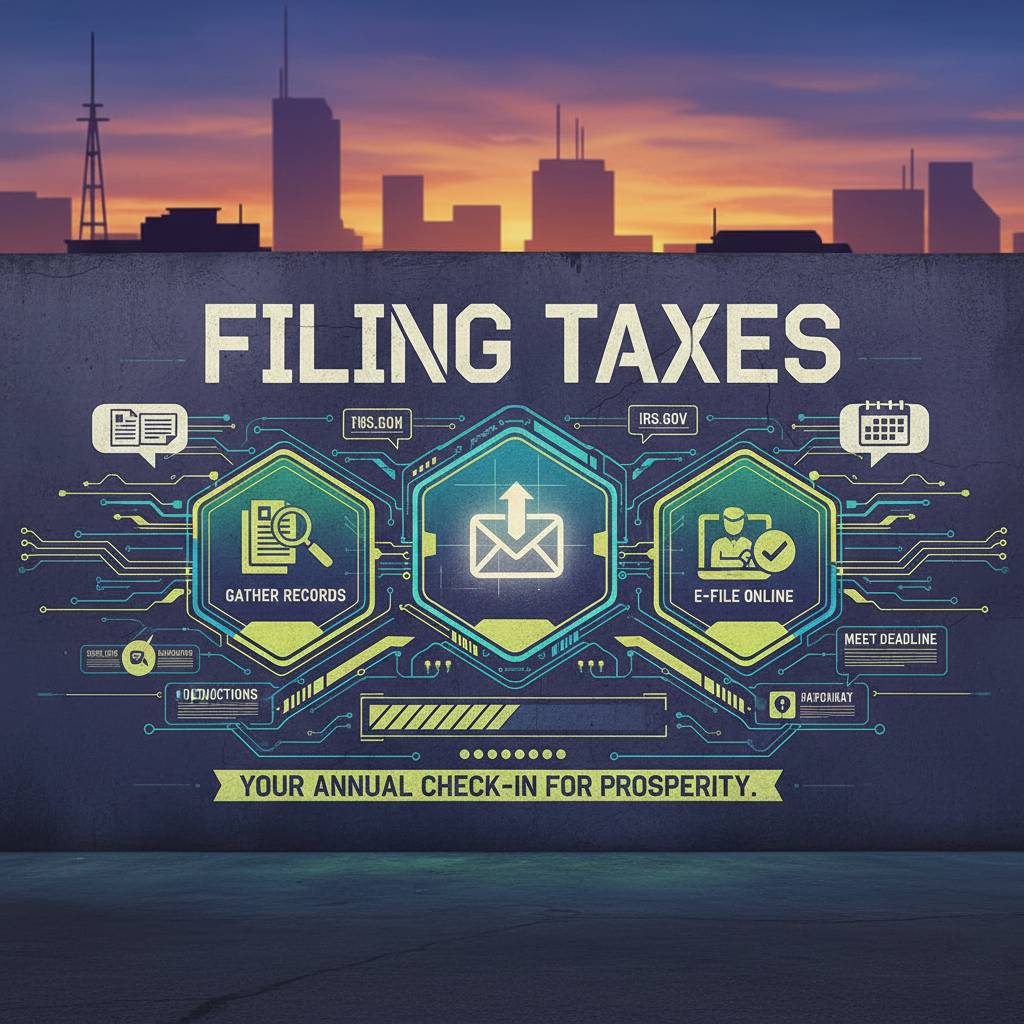
Limited Liability Companies and corporations are taxed differently based on their legal and financial structure. LLCs offer flexibility, allowing taxation as a sole proprietorship, partnership, or corporation. Corporations follow stricter tax rules but provide clearer separation between owners and the business. Choosing the right structure affects tax rates, reporting complexity, and long-term scalability. Many tech startups and IT service companies reassess their structure as revenue grows. Understanding this foundation prevents costly compliance issues later.
LLC Tax Classification Options
An LLC can choose pass-through taxation or elect to be taxed as an S or C corporation, depending on profitability and growth plans.
Corporate Tax Identity
Corporations are recognized as separate tax entities, which means profits are taxed at the corporate level before distributions.
Federal Tax Obligations
Federal taxes are the core responsibility for both LLCs and corporations. LLCs with pass-through taxation report income on owners’ personal returns. Corporations must file separate corporate tax returns regardless of profit. Deadlines and required forms vary by structure and election. Missing federal requirements can trigger audits and penalties. Digital accounting systems have reduced filing errors significantly.
IRS Forms and Filings
LLCs commonly use Forms 1065, 1120, or 1120-S, while corporations primarily rely on Form 1120.
Payment Schedules
Estimated quarterly payments are required for most profitable businesses to avoid underpayment penalties.
State and Local Tax Requirements
Beyond federal taxes, businesses must comply with state and local tax laws. These may include income tax, franchise tax, and gross receipts tax. Regulations vary widely by jurisdiction, especially for online and SaaS companies operating across states. Nexus rules determine where taxes must be paid. Failing to track multi-state exposure is a common risk.
Economic Nexus Rules
States may require tax filing even without a physical presence if revenue thresholds are met.
Local Compliance Factors
City and municipal taxes may apply to offices, employees, or local sales activities.
Pass-Through vs Double Taxation
Tax treatment directly impacts net income. Pass-through taxation avoids corporate-level tax but increases personal tax exposure. Double taxation applies to C corporations where profits are taxed twice. The right choice depends on reinvestment strategy and investor expectations. Venture-backed companies often accept double taxation for scalability.
Pass-Through Efficiency
Owners report profits once, simplifying taxation but increasing personal liability for tax payments.
Corporate Profit Distribution
Dividends trigger additional taxes but allow retained earnings for business growth.
Deductions and Tax Credits
Proper deductions significantly reduce tax liability. LLCs and corporations can deduct operational costs, salaries, and technology investments. Tax credits for R&D are especially relevant to AI and software companies. Documentation accuracy is critical for claiming benefits. Strategic planning maximizes available incentives.
Operational Expense Deductions
Cloud services, software licenses, and professional services are commonly deductible.
Innovation-Based Credits
R&D credits reward companies investing in new technologies and automation.
Payroll and Employment Taxes
Businesses with employees face additional tax responsibilities. Payroll taxes include Social Security, Medicare, and unemployment taxes. LLC owners and corporate officers are treated differently for payroll purposes. Misclassification of workers is a frequent compliance issue. Automated payroll systems reduce risk.
Employee Withholding Rules
Employers must withhold and remit taxes accurately and on time.
Owner Compensation Models
Salaries and distributions must align with IRS reasonable compensation standards.
Filing Deadlines and Compliance
Meeting deadlines is essential to avoid penalties. LLC filing deadlines depend on tax classification. Corporations have fixed annual deadlines with extensions available. Compliance calendars are critical for growing businesses. Late filings can affect creditworthiness and investor confidence.
Annual Filing Timelines
March and April are key months for most business tax submissions.
Extension Strategies
Extensions provide time to file returns but not to delay tax payments.
Real-World Case Study
A mid-sized SaaS company initially operated as an LLC with pass-through taxation. As revenue exceeded $5 million, owners elected C corporation status to attract investors. The change increased compliance complexity but reduced personal tax exposure. With proper planning, the company optimized payroll, retained earnings, and R&D credits. The transition supported long-term scalability and valuation growth.
Pre-Conversion Challenges
Owners faced high personal tax bills during rapid growth years.
Post-Conversion Results
Corporate taxation enabled reinvestment and smoother fundraising.
Technology and Tax Automation
Modern tax software has transformed compliance. AI-driven tools reduce human error and improve forecasting accuracy. Integration with accounting systems streamlines reporting. Businesses using automation report fewer audit issues. Technology is now a strategic tax asset.
AI in Tax Reporting
Machine learning improves categorization and anomaly detection.
System Integration Benefits
Unified platforms enhance transparency and real-time financial insights.
Statistics
- Over 75% of U.S. businesses are structured as LLCs according to IRS data.
- C corporations pay a flat federal tax rate of 21%.
- Nearly 40% of small businesses incur IRS penalties due to filing errors.
- Businesses using automated tax software reduce compliance errors by 60%.
- R&D tax credits save eligible tech companies an average of $120,000 annually.
- Multi-state businesses face an average of 5 different tax filing obligations.
- Payroll taxes account for approximately 15% of total employment costs.
Frequently Asked Questions
Is an LLC always taxed as a pass-through entity?
No, an LLC can elect to be taxed as an S or C corporation if it benefits the business.
Do corporations always face double taxation?
Only C corporations face double taxation; S corporations avoid it through pass-through treatment.
Can startups delay tax payments in early stages?
Taxes cannot be delayed, but losses can often be carried forward to offset future income.
Are online businesses required to file taxes in multiple states?
Yes, if they meet economic nexus thresholds in those states.
Is professional tax advice necessary?
For growing or tech-focused businesses, professional guidance significantly reduces risk.
Common Mistakes in Filing Business Taxes
Many businesses choose the wrong tax classification at formation. Poor record-keeping leads to missed deductions. Ignoring state nexus rules creates unexpected liabilities. Misclassifying employees results in penalties. Failing to plan for estimated taxes strains cash flow.
Conclusion
Filing taxes for LLCs and corporations is a strategic process, not just a legal obligation. The right structure, timely compliance, and smart use of deductions directly impact profitability. As businesses in AI and technology scale, tax complexity increases. Leveraging automation and professional planning ensures compliance while supporting growth. Proactive tax management is a competitive advantage in today’s digital economy.
