

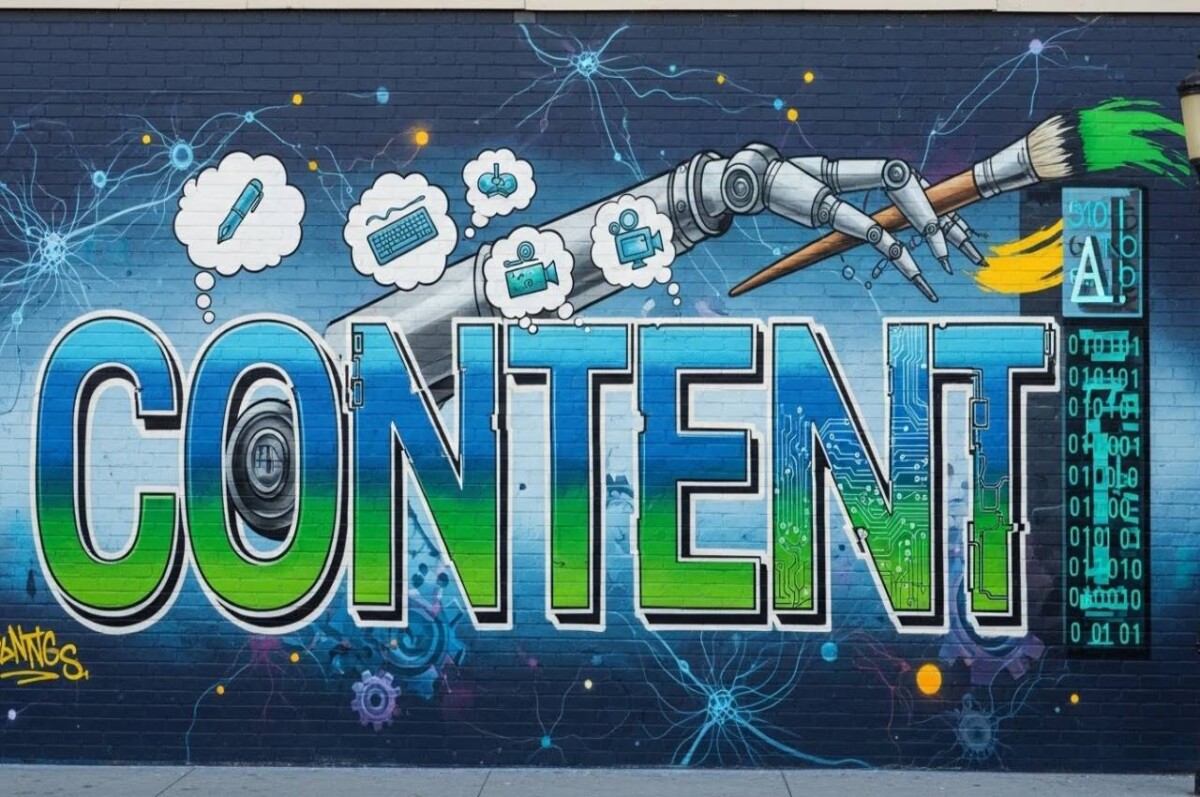
Content is king—but creating enough high-quality content to stay ahead is a monumental challenge. Artificial Intelligence (AI) is revolutionizing how marketers scale their content efforts, enabling them to produce more, personalize better, and optimize faster than ever before. From automated writing tools to predictive analytics, AI is not just a trend; it’s a transformative force reshaping the marketing landscape.
This article explores the most impactful ways marketers are leveraging AI to scale content, backed by real-world examples, statistics, and actionable insights. Whether you’re a seasoned marketer or just starting out, understanding these strategies will help you harness AI’s power to elevate your content game.
The Rise of AI-Powered Content Creation
AI-driven content creation tools, such as natural language generation (NLG) platforms, are enabling marketers to produce articles, social media posts, and even video scripts in minutes. These tools analyze vast datasets to generate human-like text, tailored to specific audiences and optimized for engagement. According to recent studies, businesses using AI for content creation see a 30-50% reduction in production time and costs.
Automated Blogging and Article Writing Platforms like Jasper, Copy.ai, and Writesonic use AI to draft blog posts, product descriptions, and news articles. Marketers input keywords, tone preferences, and target audience details, and the AI generates ready-to-publish content. This automation allows teams to focus on strategy and creativity, rather than repetitive writing tasks.
Dynamic Social Media Content AI tools like Lately and Persado craft social media posts that resonate with different audience segments. By analyzing past engagement data, these platforms suggest or generate posts that are more likely to go viral, increasing reach and interaction rates.
Personalization at Scale with AI
Personalized content is no longer a luxury—it’s an expectation. AI enables marketers to deliver hyper-personalized experiences to thousands of users simultaneously. By leveraging machine learning algorithms, brands can analyze user behavior, preferences, and demographics to tailor content in real time.
Email Marketing Customization AI-powered email platforms, such as Phrasee and Boomtrain, optimize subject lines, content, and send times for each recipient. This level of personalization can boost open rates by up to 29% and click-through rates by 41%.
Website and Landing Page Optimization Tools like Dynamic Yield and Optimizely use AI to personalize website content, CTAs, and offers based on visitor profiles. This dynamic content delivery can increase conversion rates by as much as 20%.
AI for Content Curation and Distribution
Creating content is only half the battle; distributing it effectively is equally crucial. AI helps marketers identify the best channels, times, and formats for content distribution, ensuring maximum visibility and engagement.
Smart Content Recommendations Platforms like Outbrain and Taboola use AI to recommend content to users based on their browsing history and interests. This targeted approach can increase content consumption by up to 300%.
Automated Influencer and Channel Selection AI tools analyze influencer performance and audience demographics to match brands with the most relevant influencers. This data-driven approach ensures higher ROI on influencer marketing campaigns.
Enhancing SEO with AI
Search engine optimization (SEO) is a cornerstone of content marketing. AI-powered SEO tools analyze search trends, competitor strategies, and user intent to help marketers optimize their content for better rankings and visibility.
Keyword Research and Optimization Tools like SurferSEO and Clearscope use AI to identify high-potential keywords and suggest content improvements. Marketers can optimize their articles for featured snippets, voice search, and local SEO, driving more organic traffic.
Content Gap Analysis AI platforms analyze competitors’ content to identify gaps and opportunities. By filling these gaps, marketers can create content that ranks higher and attracts more backlinks.
AI-Driven Content Analytics and Optimization
Understanding content performance is key to continuous improvement. AI analytics tools provide deep insights into what works and what doesn’t, enabling marketers to refine their strategies in real time.
Predictive Performance Analysis AI tools like Crayon and MarketMuse predict which content pieces will perform best, allowing marketers to allocate resources more effectively.
Real-Time Content Adjustments Platforms like OneSpot and Acrolinx use AI to analyze content performance and suggest real-time adjustments, such as headline tweaks or image changes, to boost engagement.
Automating Video and Multimedia Content
Video content is dominating digital marketing, but producing high-quality videos at scale is resource-intensive. AI is changing the game by automating video creation, editing, and personalization.
AI Video Creation Tools Platforms like Synthesia and Lumen5 use AI to generate videos from text scripts, complete with voiceovers, animations, and subtitles. This automation reduces video production time by up to 80%.
Personalized Video Messages AI tools like Vidyard and Wistia enable marketers to create personalized video messages for individual users, increasing engagement and conversion rates.
AI for Voice and Conversational Content
Voice search and chatbots are becoming integral to content strategies. AI-powered voice assistants and chatbots provide instant, personalized responses, enhancing user experience and driving conversions.
Voice Search Optimization Marketers use AI to optimize content for voice search, focusing on natural language and question-based queries. This approach can increase voice search visibility by up to 40%.
AI Chatbots for Customer Engagement Chatbots like Drift and Intercom use AI to engage users in real-time conversations, answering questions and guiding them through the sales funnel. This 24/7 support can increase lead generation by 67%.
Overcoming Challenges with AI in Content Marketing
While AI offers immense benefits, it also presents challenges, such as maintaining authenticity, ensuring data privacy, and avoiding over-automation. Marketers must strike a balance between AI efficiency and human creativity.
Maintaining Brand Voice AI-generated content must align with the brand’s tone and values. Regular audits and human oversight are essential to preserve authenticity.
Data Privacy and Compliance Marketers must ensure AI tools comply with data protection regulations, such as GDPR and CCPA, to avoid legal risks and maintain user trust.
The Future of AI in Content Marketing
The integration of AI in content marketing is still evolving. Emerging technologies, such as generative AI and deep learning, promise even more advanced capabilities, from fully automated content strategies to real-time, hyper-personalized user experiences.
Generative AI for Creative Content Generative AI models, like GPT-4 and DALL-E, are pushing the boundaries of creative content, enabling marketers to generate unique text, images, and videos on demand.
AI-Powered Content Strategy Future AI tools will not only create and distribute content but also develop comprehensive content strategies, predicting trends and automating campaign management.
Statistics
- AI Adoption in Marketing: 84% of marketing organizations are implementing or expanding AI and machine learning in 2026 (Salesforce, 2025).
- Content Production Efficiency: Businesses using AI for content creation report a 30-50% reduction in production time and costs (Content Marketing Institute, 2025).
- Personalization Impact: Personalized content delivers 5-8 times the ROI on marketing spend (McKinsey, 2025).
- Email Marketing: AI-optimized email campaigns see a 29% increase in open rates and a 41% boost in click-through rates (HubSpot, 2025).
- Video Content: AI-generated videos reduce production time by up to 80% (Forrester, 2025).
- Voice Search: Optimizing for voice search can increase visibility by 40% (BrightEdge, 2025).
- Chatbot Engagement: AI chatbots increase lead generation by 67% (Drift, 2025).
Study Case: How HubSpot Scaled Content with AI
HubSpot, a leader in inbound marketing, integrated AI tools into its content strategy to scale production and personalization. By using AI for blog post generation, email personalization, and SEO optimization, HubSpot increased its monthly blog output by 40% and improved email engagement rates by 35%. The AI-driven approach also enabled the team to focus on high-level strategy, resulting in a 25% increase in lead conversion.
FAQs
How can AI help small businesses scale content marketing? AI tools like Jasper and Canva enable small businesses to create professional-quality content quickly and affordably, leveling the playing field with larger competitors.
Is AI-generated content as effective as human-written content? When used correctly, AI-generated content can be highly effective, especially for data-driven and repetitive tasks. However, human oversight is crucial for maintaining authenticity and emotional resonance.
What are the best AI tools for content personalization? Top tools include Phrasee for email, Dynamic Yield for websites, and Persado for social media.
How can marketers ensure AI content aligns with brand voice? Regular audits, style guides, and human editing are essential to maintain brand consistency in AI-generated content.
What are the risks of over-relying on AI for content marketing? Over-automation can lead to generic content, loss of authenticity, and potential data privacy issues. Balance AI efficiency with human creativity and oversight.
The Most Common Mistakes About AI in Content Marketing
- Ignoring Human Oversight: Relying solely on AI without human review can result in off-brand or low-quality content.
- Overlooking Data Privacy: Failing to ensure AI tools comply with data protection laws can lead to legal and reputational risks.
- Neglecting Content Strategy: Using AI without a clear content strategy can lead to scattered, ineffective efforts.
- Underestimating Training Needs: AI tools require proper training and integration to deliver optimal results.
- Chasing Trends Blindly: Adopting AI tools without assessing their relevance to your goals can waste resources.
Conclusion
AI is transforming content marketing, enabling marketers to scale production, personalize experiences, and optimize performance like never before. By leveraging AI tools strategically, marketers can not only keep up with the demands of the digital age but also stay ahead of the competition. The key to success lies in balancing AI efficiency with human creativity, ensuring that content remains authentic, engaging, and aligned with brand values.
As AI continues to evolve, its role in content marketing will only grow, offering even more innovative ways to connect with audiences and drive business results. Now is the time to embrace AI and unlock its full potential for your content strategy.
