

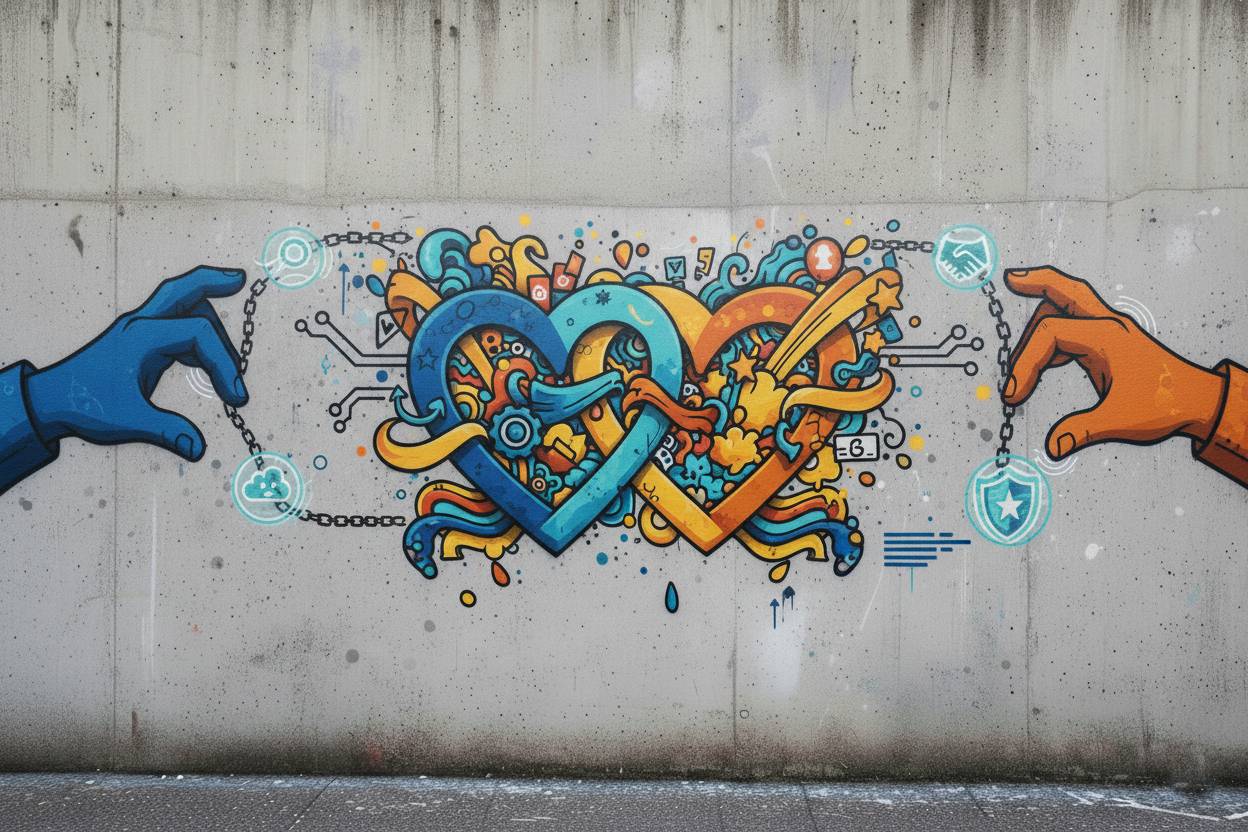
Emotional branding focuses on building deep, human connections between brands and customers. Instead of competing only on price or features, brands appeal to feelings such as trust, belonging, and inspiration. This approach transforms customers into long-term supporters rather than one-time buyers. In crowded markets, emotions become a key differentiator. Brands that master this strategy often achieve stronger loyalty and advocacy.
Brand as a Feeling
A brand is experienced emotionally before it is evaluated logically.
- Emotions shape first impressions
- Feelings influence memory and recall
- Emotional bonds reduce price sensitivity
Beyond Functional Value
Customers expect products to work; emotions make them memorable.
- Functional value is easy to copy
- Emotional value is harder to replicate
- Feelings create long-term attachment
The Psychology Behind Customer Loyalty
Human decisions are largely driven by emotions, even in B2B and tech-focused markets. Neuroscience shows that emotional responses happen faster than rational thinking. When customers feel understood, they trust the brand more. Trust leads to repeated purchases and recommendations. Loyalty is often emotional before it is rational.
How the Brain Responds to Brands
Emotional stimuli activate decision-making centers.
- Emotions speed up choices
- Feelings guide preferences
- Logic justifies decisions afterward
Trust and Familiarity
Repeated positive experiences strengthen emotional bonds.
- Consistency builds comfort
- Comfort builds trust
- Trust builds loyalty
Storytelling as a Branding Tool
Stories help brands communicate values in a relatable way. A good story allows customers to see themselves within the brand narrative. This creates empathy and emotional resonance. Story-driven brands are easier to remember and share. In digital media, storytelling boosts engagement across platforms.
Human-Centered Narratives
Stories should reflect real struggles and aspirations.
- Relatable characters
- Clear challenges and outcomes
- Authentic tone
Consistency Across Channels
The same story must appear everywhere.
- Website messaging
- Social media presence
- Advertising campaigns
Emotional Branding in the Digital Age
Digital platforms have amplified emotional branding opportunities. Social media, AI personalization, and community-driven content allow brands to engage emotionally at scale. Technology helps brands listen, respond, and adapt quickly. Emotional branding is no longer limited to big brands. Even startups can compete through authentic digital experiences.
Personalization Through Technology
AI helps tailor emotional experiences.
- Personalized recommendations
- Adaptive content
- Behavior-based messaging
Community and Interaction
Engagement builds emotional investment.
- Comments and discussions
- User-generated content
- Brand communities
Case Study: Apple and Emotional Loyalty
Apple is a classic example of emotional branding success. The brand focuses on creativity, simplicity, and identity rather than technical specifications alone. Customers often feel proud to be associated with Apple products. This emotional bond leads to strong loyalty and repeat purchases. Apple users frequently act as brand advocates.
Identity Over Features
Apple sells a lifestyle, not just devices.
- Minimalist design
- Clear brand values
- Strong emotional symbolism
Customer Advocacy
Loyal customers market the brand themselves.
- Word-of-mouth promotion
- Community-driven loyalty
- High switching resistance
Emotional Branding in B2B and Tech Markets
Even professional and technical buyers are influenced by emotions. Trust, reliability, and confidence matter in enterprise decisions. Brands that communicate empathy and understanding stand out. Emotional branding reduces perceived risk in complex purchases. It also strengthens long-term partnerships.
Trust as an Emotional Trigger
Professional buyers value reassurance.
- Clear communication
- Transparent messaging
- Proven credibility
Humanizing Complex Solutions
Technology becomes approachable through emotion.
- Simple language
- Real-world use cases
- Customer success stories
Measuring Emotional Brand Impact
Emotional branding can be measured through qualitative and quantitative signals. Metrics go beyond clicks and conversions. Sentiment, engagement, and loyalty indicators matter. Data-driven insights help refine emotional strategies. Measurement ensures emotions translate into business growth.
Key Emotional Metrics
Tracking feelings helps guide strategy.
- Brand sentiment
- Net Promoter Score
- Repeat purchase rate
Feedback and Listening
Customer voices reveal emotional impact.
- Reviews and testimonials
- Social listening tools
- Surveys and interviews
Common Mistakes in Emotional Branding
Many brands misunderstand emotional branding and apply it incorrectly. Forced emotions feel fake and damage trust. Inconsistency weakens emotional connections. Ignoring customer feedback breaks relationships. Emotional branding requires authenticity and patience.
Overusing Emotional Triggers
Too much emotion can feel manipulative.
- Artificial storytelling
- Exaggerated messaging
- Misaligned values
Lack of Consistency
Mixed messages confuse customers.
- Different tones across channels
- Unclear brand identity
- Conflicting values
The Future of Emotional Branding
Emotional branding will grow alongside AI and data-driven personalization. Brands will become more empathetic and responsive. Customers will expect meaningful interactions, not generic messages. Emotional intelligence will be a competitive advantage. Brands that adapt will lead their industries.
AI and Emotional Intelligence
Technology will enhance empathy.
- Predictive personalization
- Emotion-aware interfaces
- Smarter customer support
Purpose-Driven Branding
Values will matter more than ever.
- Social responsibility
- Transparency
- Authentic missions
Statistics
- Emotionally connected customers are 52% more valuable than highly satisfied customers.
- 95% of purchasing decisions are influenced by subconscious emotional factors.
- Brands with strong emotional connections see 306% higher lifetime value.
- 64% of consumers say shared values are the main reason they trust a brand.
- Emotional ads perform almost twice as well as purely rational ads.
- 71% of consumers recommend brands they feel emotionally connected to.
- Companies that prioritize customer experience outperform competitors by up to 80% in revenue growth.
Frequently Asked Questions
Why is emotional branding more effective than traditional branding?
Because emotions drive decisions faster than logic and create lasting loyalty.
Can emotional branding work for technology or SaaS companies?
Yes, trust, reliability, and confidence are emotional drivers even in technical markets.
How long does it take to see results from emotional branding?
It is a long-term strategy, but engagement and loyalty improvements appear gradually.
Is emotional branding measurable?
Yes, through sentiment analysis, loyalty metrics, and customer feedback.
What happens if emotional branding feels inauthentic?
Customers lose trust quickly, and brand credibility is damaged.
Conclusion
Emotional branding is no longer optional in competitive markets. By focusing on feelings, trust, and shared values, brands can build lasting customer loyalty. Technology and data now make emotional connections scalable and measurable. The brands that win are those that understand people, not just markets. Emotional branding turns customers into lifelong partners.
