

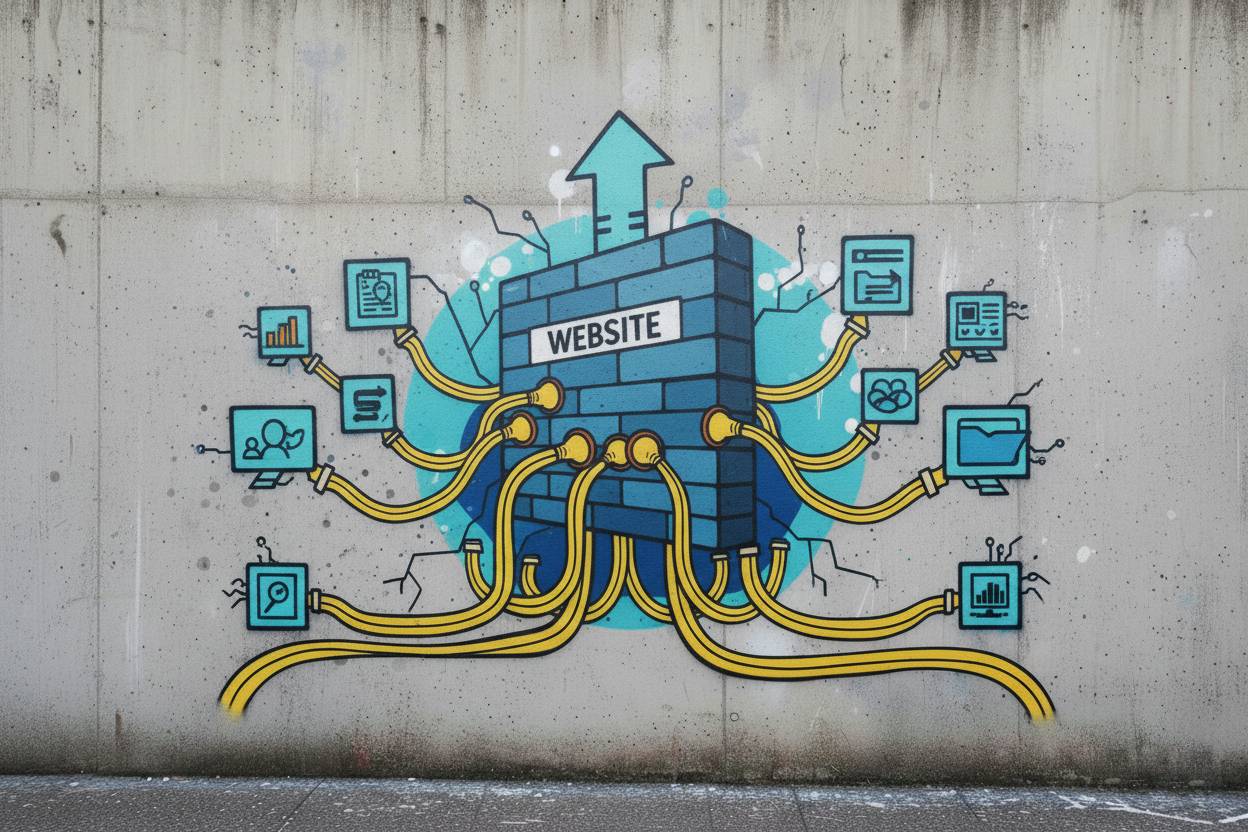
Backlinks remain one of the most crucial factors in improving website authority, search engine rankings, and online visibility. Off-page SEO focuses on building your website’s reputation outside its own pages, and backlinks are the cornerstone of this strategy. Understanding the nuances of off-page SEO, link quality, and relevance is vital for digital marketers aiming to achieve long-term success.
The Importance of Backlinks in SEO
Backlinks act as endorsements from other websites, signaling to search engines that your content is credible and valuable. High-quality backlinks improve domain authority, increase referral traffic, and can drastically enhance search engine rankings. Websites with a strong backlink profile tend to appear higher on Google SERPs and attract more organic visitors.
Authority Links vs. Quantity of Links
Not all backlinks are equal; quality outweighs quantity. Links from authoritative websites in your niche have more impact than numerous low-quality links.
- Focus on earning links from trusted sources.
- Avoid link farms or irrelevant directories.
- Relevance is key to search engine trust.
Study Case: Moz’s analysis of Google rankings shows that sites with fewer but highly relevant backlinks outperform those with a high number of low-quality links, emphasizing authority over volume.
Content Marketing for Link Building
High-quality content attracts natural backlinks, making content marketing a key off-page SEO tactic. Useful resources, guides, and research reports often receive citations and shares.
- Create in-depth guides that solve real problems.
- Publish industry reports or case studies.
- Encourage guest posting on authoritative sites.
Social Media Signals and SEO
Social media engagement indirectly boosts SEO by increasing content visibility and backlink opportunities. Sharing content across platforms drives referral traffic and enhances brand authority.
- Optimize social media profiles with website links.
- Promote content to industry-specific groups.
- Engage with influencers to extend reach.
Guest Blogging and Partnerships
Collaborating with other websites through guest blogging can yield high-quality backlinks. Partnerships with reputable businesses enhance credibility and SEO impact.
- Identify sites in your niche with high authority.
- Craft unique content tailored to the partner audience.
- Include contextual links naturally within the content.
Influencer Outreach for Backlinks
Engaging industry influencers to share or link to your content increases backlink quality and website authority. Influencers can amplify reach and bring new audiences to your site.
- Build relationships with key industry figures.
- Offer valuable resources worth sharing.
- Track mentions and backlinks using monitoring tools.
Forum Participation and Community Engagement
Active participation in online communities can provide opportunities for backlinks and brand exposure. Niche forums, Q&A platforms, and discussion boards help establish authority.
- Share insights without spamming.
- Provide solutions and link to your content when relevant.
- Focus on platforms frequented by your target audience.
Broken Link Building Strategy
Finding broken links on authoritative websites and offering your content as a replacement is an effective backlink tactic. This strategy benefits both the website owner and your SEO.
- Use tools to identify broken links in your niche.
- Reach out to website owners with a polite replacement suggestion.
- Offer high-quality content that fills the gap.
Local SEO and Backlinks
For local businesses, backlinks from local websites and directories enhance visibility in local search results. Local citations contribute to trustworthiness and community engagement.
- List your business in authoritative local directories.
- Partner with local blogs or media outlets.
- Encourage reviews and testimonials with links to your site.
Statistics:
- Websites with strong backlink profiles are 97% more likely to rank on the first page of Google.
- 91% of all web pages do not receive organic traffic from Google, often due to lack of backlinks.
- High-authority backlinks can increase referral traffic by up to 50%.
- 70% of marketers say content marketing significantly increases backlinks.
- Guest blogging generates 20–30% of high-quality backlinks for small businesses.
- Influencer outreach campaigns improve backlink acquisition by 35%.
- Broken link building can yield up to a 60% success rate for obtaining backlinks.
Real Study Case:
Ahrefs conducted a study analyzing 1 million Google search results and found that the number of referring domains strongly correlates with top-ranking pages. Pages with more high-quality backlinks consistently ranked higher, demonstrating the direct impact of off-page SEO.
Common Mistakes in Off-Page SEO
- Focusing on quantity over quality of backlinks.
- Buying links from low-authority sources.
- Ignoring relevance when building links.
- Overusing guest posts or automated outreach tools.
- Neglecting social media and community engagement.
FAQ
- What is a high-quality backlink?
A backlink from a reputable, authoritative, and relevant website that improves your domain authority. - Can social media links improve SEO?
Indirectly, yes. They increase visibility, traffic, and the likelihood of organic backlinks. - How many backlinks do I need to rank?
It depends on your niche, competition, and link quality. Focus on authoritative links rather than numbers. - Are all backlinks permanent?
No. Links can be removed or de-indexed, so ongoing link-building efforts are essential. - Is guest blogging still effective?
Yes, when done thoughtfully with quality content and relevant partners.
Conclusion
Off-page SEO, particularly backlinks, is a cornerstone of online authority and search engine visibility. Prioritizing quality, relevance, and strategic outreach ensures sustainable SEO growth. By combining content marketing, influencer collaboration, guest posting, and community engagement, websites can secure valuable backlinks, enhance credibility, and outperform competitors in search rankings.
