

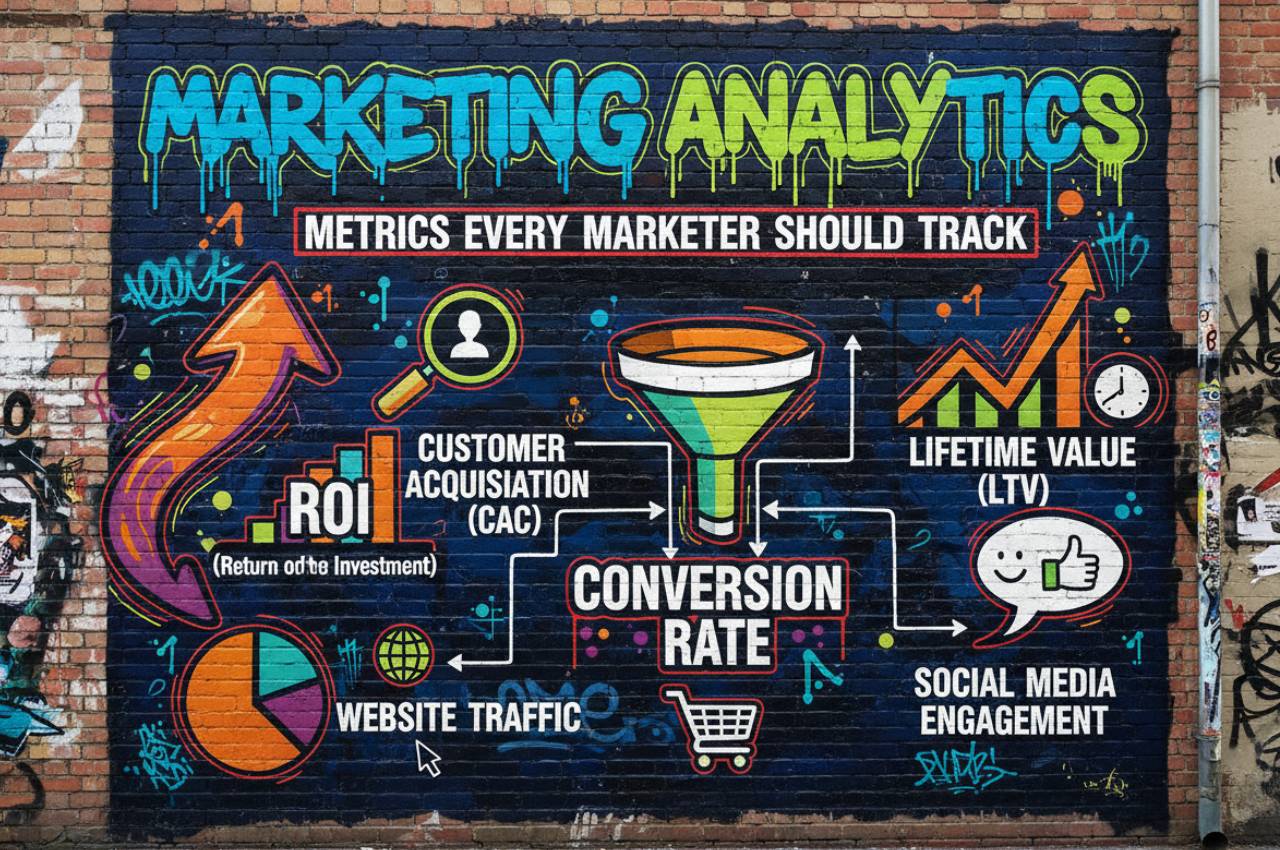
Marketing analytics is essential for modern businesses seeking to make data-driven decisions. By tracking key marketing metrics, companies can measure the effectiveness of campaigns, optimize strategies, and enhance ROI. These metrics also help identify audience behavior, improve customer retention, and guide resource allocation. This article explores the most important marketing analytics metrics, their practical applications, and common mistakes marketers should avoid.
Website Traffic Analysis
Website traffic is the foundation of any digital marketing strategy. Tracking visitor numbers, sources, and behavior allows marketers to understand their audience and optimize content for higher engagement. This metric helps identify which channels drive the most traffic and how users interact with the website. Regular analysis of traffic patterns can guide content updates, paid campaigns, and SEO improvements.
Traffic Sources
Understanding where your visitors come from ensures marketing efforts are focused on high-performing channels.
- Organic search
- Paid campaigns
- Social media referrals
Visitor Behavior
Analyzing user activity highlights opportunities for site improvement and conversion optimization.
- Pages per session
- Average session duration
- Bounce rate
Case Example: A SaaS company found that organic search traffic generated higher retention than paid ads, increasing long-term subscriptions by 23%.
Conversion Rate Tracking
Conversion rate measures the percentage of visitors completing desired actions, such as signing up for a service or making a purchase. Tracking this metric allows marketers to evaluate campaign performance and optimize user experience. Conversion rates can differ widely across channels, so analyzing each separately ensures accurate insights. Small improvements in conversion rate can significantly impact revenue without increasing traffic.
Lead Conversions
Track how many visitors are becoming potential customers.
- Number of leads per campaign
- Cost per lead
Sales Conversions
Measure how many leads turn into actual revenue.
- E-commerce transaction rate
- Revenue per visitor
Customer Acquisition Cost (CAC)
CAC represents the total cost required to acquire a new customer. It is essential for budgeting and assessing marketing efficiency. Lowering CAC while maintaining lead quality ensures sustainable growth. CAC varies by channel, campaign, and audience segment, so continuous monitoring is required. Proper CAC tracking helps businesses compare campaign performance and ROI.
Campaign Expenses
Include all marketing expenditures to determine true acquisition costs.
- Ad spend
- Agency fees
- Promotions
Customer Segmentation
Target audiences differently to reduce acquisition costs effectively.
- Demographics
- Purchase history
- Engagement level
Customer Lifetime Value (CLV)
CLV estimates the total revenue a customer generates over their entire relationship with a company. Tracking CLV helps marketers focus on retention and long-term profitability. Businesses with higher CLV can justify higher acquisition costs. Understanding CLV also aids in developing loyalty programs and personalized marketing strategies. Improving CLV can significantly boost business growth without acquiring more customers.
Repeat Purchase Behavior
Track customer purchase frequency to enhance loyalty programs.
- Frequency of purchases
- Average order value
Retention Impact
Retaining customers improves long-term revenue and reduces marketing spend.
- Churn rate
- Retention campaigns
Email Marketing Metrics
Email marketing remains a cost-effective channel, but its success depends on tracking engagement metrics. Open rates, click-through rates, and conversions reveal how effective campaigns are. Testing different subject lines, content, and sending times can optimize results. Data from email analytics helps improve targeting and messaging for better ROI.
Open Rate
Shows the percentage of recipients who open your emails.
- Subject line performance
- Timing optimization
Click-Through Rate (CTR)
Measures how many users interact with links inside the email.
- Link placement
- Call-to-action effectiveness
Case Example: A B2B software company increased CTR by 18% using personalized subject lines and segmented audience lists.
Social Media Engagement
Social media metrics reflect brand visibility, content effectiveness, and audience engagement. Monitoring likes, shares, comments, and follower growth provides insight into campaign performance. Engagement metrics help identify content types that resonate with audiences. Tracking these metrics allows marketers to adjust strategies and allocate budgets efficiently. Social media also serves as a key channel for lead generation and community building.
Likes, Shares, Comments
Track interactions to measure content relevance.
- Engagement rate per post
- Content type performance
Follower Growth
Monitor audience expansion to evaluate brand reach.
- Monthly growth rate
- Influencer collaborations
Paid Advertising Metrics
Paid campaigns require precise measurement to ensure positive returns. Metrics like Cost Per Click (CPC) and Return on Ad Spend (ROAS) indicate campaign efficiency. Monitoring these metrics allows marketers to optimize bids, targeting, and creatives. Paid advertising metrics also help compare channel performance and adjust budgets dynamically.
Cost Per Click (CPC)
Shows how much each click costs for a campaign.
- Bid strategy optimization
- Ad relevance
Return on Ad Spend (ROAS)
Measures revenue generated per dollar spent.
- Campaign effectiveness
- Target audience adjustments
SEO Performance Metrics
SEO metrics indicate how well your website performs in organic search. Tracking keyword rankings, organic traffic, and backlink quality helps improve visibility. SEO performance metrics guide content creation, link-building strategies, and technical optimizations. Monitoring these metrics consistently is crucial for staying ahead of competitors.
Keyword Rankings
Evaluate visibility for target keywords.
- Search position trends
- Competitor comparison
Backlink Analysis
Assess links to improve authority and ranking.
- Quantity and quality
- Referral traffic impact
Marketing ROI and Reporting
Measuring marketing ROI ensures campaigns justify their investment and resources are used effectively. Tracking ROI across channels highlights the most profitable strategies. Comprehensive reporting allows teams to make data-driven adjustments and optimize future campaigns. Accurate ROI analysis also helps in budget allocation, performance evaluation, and strategic planning.
Cross-Channel ROI
Evaluate revenue contributions from each marketing channel.
- Channel-specific revenue
- Budget allocation
Campaign Effectiveness
Compare outcomes with goals to improve marketing efficiency.
- KPI achievement
- Lessons learned
Statistics
- Businesses using marketing analytics report 20% higher ROI on average.
- 68% of companies leverage data analytics to optimize campaigns.
- Email marketing yields $42 ROI for every $1 spent.
- Paid social media campaigns achieve a 1.85% CTR across industries.
- Companies tracking CLV are 60% more likely to retain customers long-term.
- Organic search accounts for 53% of all website traffic.
- Conversion rate optimization can increase revenue by up to 30% without extra traffic.
Common Mistakes
- Focusing on vanity metrics like impressions instead of conversions.
- Ignoring audience segmentation in analysis.
- Failing to define clear KPIs before campaigns.
- Using outdated tracking tools or inconsistent data sources.
- Neglecting customer retention and CLV metrics.
Frequently Asked Questions
What is the most important marketing metric for ROI?
Customer Lifetime Value and Conversion Rate are the most reliable indicators of profitability.
How often should marketing analytics be tracked?
Weekly for active campaigns and monthly for overall strategy reviews.
Can small businesses benefit from marketing analytics?
Yes, analytics help small businesses prioritize budget and identify the most effective channels.
How can multi-channel campaigns be tracked efficiently?
Use integrated dashboards like Google Analytics 4 or marketing automation platforms.
What common mistakes reduce analytics accuracy?
Ignoring segmentation, outdated tracking, and focusing only on vanity metrics.
Conclusion
Marketing analytics metrics are essential for maximizing the effectiveness of campaigns and overall business growth. From website traffic to ROI, each metric provides actionable insights that guide strategy, optimize spend, and enhance customer engagement. Businesses that track these metrics carefully and avoid common mistakes can achieve measurable success in their marketing efforts.
